
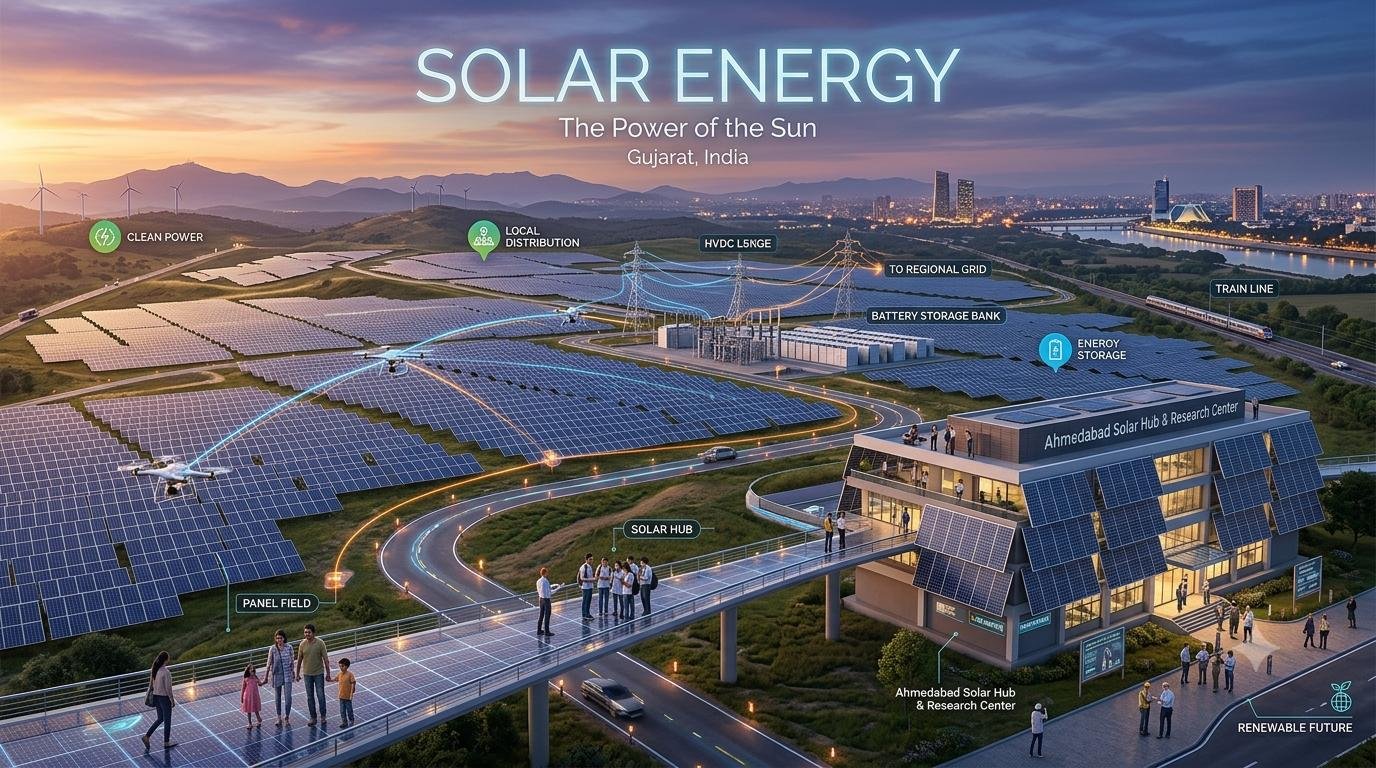
The global demand for clean, affordable, and reliable energy is driving rapid innovation in solar energy technology. Solar power is no longer limited to large rooftop panels. New technologies are making solar energy more efficient, flexible, intelligent, and easier to integrate into homes, businesses, transportation, and industrial systems.
From smart solar panels and battery storage to floating solar farms and solar-powered electric vehicles, the next generation of solar technology could make clean energy a more practical part of everyday life.
What Is Solar Energy Technology?
Solar energy technology converts sunlight into usable electricity or heat.
The most common technology is solar photovoltaic (PV), where solar cells convert sunlight directly into electricity.
Solar systems can be installed on:
Residential rooftops
Commercial buildings
Industrial facilities
Solar farms
Parking areas
Floating platforms
Modern solar systems can also be combined with batteries, smart energy-management software, and electric vehicles.
How Solar Panels Generate Electricity
Solar photovoltaic panels contain semiconductor materials that respond to sunlight.
Basic Process
1. Sunlight reaches the solar cells.
2. The cells generate direct-current electricity.
3. An inverter converts it into usable alternating-current electricity.
4. Electricity powers connected devices.
5. Excess energy can be stored in batteries or exported to the electricity grid, depending on the system.
This process produces electricity without directly burning fuel during generation.
Solar Energy for Homes
Residential solar power can help households generate part of their electricity locally.
Common Applications
Rooftop solar panels
Solar water heating
Battery storage
Solar-powered outdoor lighting
Smart energy monitoring
When combined with energy-efficient appliances, solar power can help households manage electricity consumption more effectively.
Solar Power and Battery Storage
One major limitation of solar energy is that sunlight is not available continuously. Battery storage can help address this challenge.
During periods of strong solar generation, excess electricity can be stored. The stored energy can then be used later when solar production falls.
Benefits of Solar + Storage
Greater energy independence
Backup power capability
Better use of generated solar electricity
Improved energy management
Battery technology will remain an important part of the future solar ecosystem.
Smart Solar Technology
Artificial Intelligence and advanced software are making solar systems more intelligent.
Smart systems can monitor:
Electricity generation
Energy consumption
Battery performance
Equipment health
Weather conditions
Data analytics can help identify unusual performance and improve system efficiency.
Solar Energy and Electric Vehicles
Solar power and electric vehicles can work together as part of a cleaner energy ecosystem.
Homes and businesses can use solar electricity to charge EVs, while smart charging systems can schedule charging based on energy availability and electricity demand.
Future energy systems may increasingly connect solar panels, batteries, homes, and electric vehicles into a coordinated network.
Floating Solar Farms
Solar panels do not always need to be installed on land.
Floating solar farms place photovoltaic panels on suitable bodies of water, such as reservoirs.
Potential Advantages
Efficient use of available space
Reduced competition for certain land areas
Potential reduction in water evaporation in some settings
However, environmental conditions, water quality, maintenance, and ecosystem impacts must be carefully considered.
Solar Technology for Businesses
Businesses can use solar energy to reduce dependence on conventional electricity sources.
Commercial Applications
Factory rooftop solar
Office building solar systems
Solar-powered warehouses
Solar parking structures
Battery-backed energy systems
For businesses with large daytime electricity requirements, onsite solar can be particularly useful.
Solar Energy in Agriculture
Solar technology is creating new possibilities for farms.
Agricultural Applications
Solar-powered irrigation
Agricultural pumps
Farm lighting
Cold-storage systems
Agrivoltaic installations
Agrivoltaics combines agriculture and solar generation on the same land area, potentially allowing crops and solar infrastructure to coexist where conditions are suitable.
Solar Energy in Smart Cities
Cities can integrate solar technology into public infrastructure.
Examples
Solar street lighting
Solar-powered charging stations
Solar rooftops on public buildings
Solar parking areas
Distributed energy systems
Combined with smart grids, these technologies can help cities manage energy more efficiently.
Environmental Benefits
Solar energy produces electricity without direct combustion emissions during operation.
Greater use of low-carbon electricity can contribute to reducing greenhouse-gas emissions when it replaces higher-emission energy sources.
However, solar panels also require raw materials, manufacturing, transportation, installation, and eventual recycling. Responsible supply chains and better recycling systems are therefore important for making solar energy increasingly sustainable.
Challenges of Solar Energy
Solar power has enormous potential, but several challenges remain.
Key Challenges
Electricity production varies with sunlight
Energy storage can add cost
Initial installation costs can be significant
Grid infrastructure may need upgrades
Solar equipment requires responsible end-of-life management
Continued research is focused on improving efficiency, lowering costs, and making solar systems easier to integrate with electricity networks.
Future of Solar Energy Technology
The next generation of solar technology could become more flexible and integrated into everyday environments.
Emerging Trends
Higher-efficiency solar cells
Lightweight and flexible solar panels
Building-integrated photovoltaics
Smart solar systems
Advanced battery storage
Floating solar farms
Agrivoltaics
Solar-powered transportation infrastructure
As these technologies mature, solar energy could become increasingly integrated into buildings, vehicles, farms, and public infrastructure.
Conclusion
Solar Energy Technology is evolving from simple rooftop panels into an interconnected ecosystem involving batteries, Artificial Intelligence, electric vehicles, smart grids, and innovative solar installations.
The technology can help households and businesses generate cleaner electricity while supporting broader efforts toward energy diversification and lower emissions.
The future of solar power is not simply about installing more panels—it is about creating smarter energy systems that can generate, store, distribute, and use renewable electricity more efficiently.
Stay updated with the latest news and articles. Subscribe Now for more articles.
