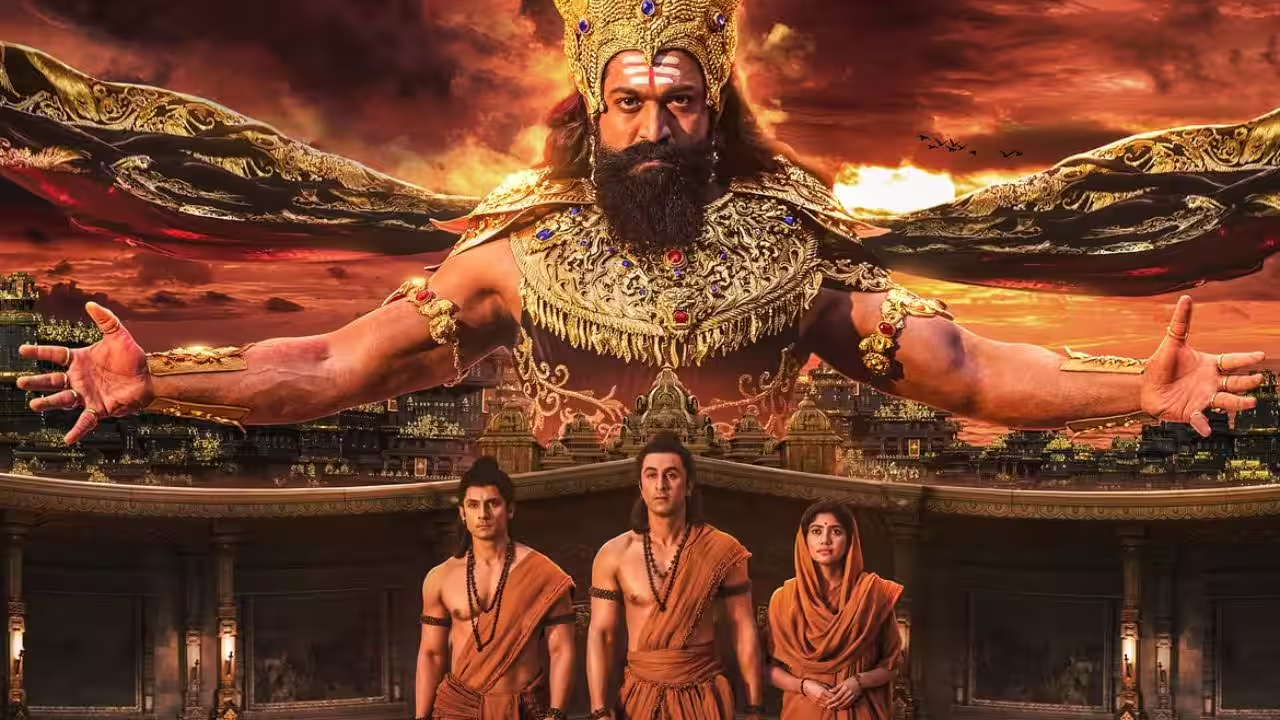
Diwali is one of India’s important festive periods for family gatherings, shopping, travel, celebrations and entertainment. In 2026 the festival season has become a draw for lovers with Ramayana: Part 1 a big mythological film directed by Nitesh Tiwari.
Starring Ranbir Kapoor as Lord Rama, Sai Pallavi as Sita, Yash as Ravana and Sunny Deol as Hanuman the film brings one of India’s epics to the big screen on an extraordinary scale.
Released in theatres on November 5 2026 the Ramayana arrived before the Diwali celebrations. The Ramayana timing raises a question: can a mythological film influence how Indian families spend their Diwali vacation?
The answer could go beyond ticket sales. From family entertainment and tourism to cinema markets and the celebration of culture the Ramayana could influence several parts of the festive economy.
1. Ramayana Makes Cinema a Diwali Family Activity
Diwali vacation is a time when families look for activities they can enjoy together. Traditionally families visit relatives explore markets travel to destinations and watch new movies.
A film based on the Ramayana has an advantage: the Ramayana central story is already familiar to audiences of all ages.
Grandparents may connect with the significance of Lord Rama. Parents may appreciate the storytelling and younger audiences may be attracted by the actors, action sequences and visual effects.
This combination can make cinema a shared family experience, not just another weekend outing.
The Ramayana release on November 5 also gives audiences a chance to plan theatre visits before or during the holiday period.
2. A Big Opportunity for Indias Cinema Industry
The festive season is a time for Indian cinema because holidays can increase the number of people who can visit theatres.
The scale of Ramayana has also drawn attention from cinema owners and trade analysts.
According to a Mint report published on November 4 the Ramayana was expected to earn an opening‑day collection of about ₹75–80 crore net across languages. These were predicted numbers, not confirmed collections.
The Ramayana release across Hindi, Tamil, Telugu, Kannada and Malayalam markets along with high‑end formats such as IMAX gives it an audience.
For theatre operators a major festive release can increase ticket sales, food and beverage sales and demand for high‑end screens.
However a successful opening alone does not guarantee a theatrical run. Audience response, reviews and word of mouth remain important.
3. Ramayana Can Bring Generations Closer to Mythology
One of the most interesting possibilities is the Ramayana cultural influence.
The Ramayana is not a story. The Ramayana is part of India’s storytelling traditions, religious practices, festivals, performing arts and regional cultures.
Different parts of India have their versions of the epic with distinct traditions surrounding Rama, Sita, Lakshmana, Hanuman and Ravana.
A large‑scale cinematic adaptation can encourage viewers to explore these stories beyond the screen.
After watching the Ramayana families may become interested in reading the Ramayana visiting temples watching Ramleela performances or discussing the values shown by its characters.
The Ramayana can therefore become a starting point for conversations about history, mythology, culture and storytelling.
4. Diwali Tourism and Religious Destinations Could Benefit
A mythological film can also spark curiosity about places linked to the Ramayana.
Ayodhya, linked to Lord Rama’s birthplace is a destination. Other places connected with the Ramayana, such as Chitrakoot, Rameswaram and Nashik also attract pilgrims and tourists.
During the season families may combine a cinema outing with travel or a visit to a cultural destination.
The Ramayana could benefit hotels, restaurants, transport operators, local guides and small businesses.
However any increase, in tourism should be measured through visitor data not assumed from the Ramayana’s popularity.
5. Regional Markets Can Give the Film a Wider Reach
Ramayana is important in parts of India yet the way Ramayana is told varies from one region to another.
A multilingual release of Ramayana gives Ramayana a chance to reach people who do not speak Hindi.
Yash playing Ravana is very important for drawing interest in Karnataka and the Tamil, Telugu and Malayalam versions of Ramayana can bring Ramayana to audiences in the south.
This gives cinema a chance to show a shared epic in a big multilingual theatre show that features Ramayana.
For Gujarati people Ramayana is closely tied to stories, temple customs, devotional songs and family celebrations.
Gujarati viewers might want to compare Ramayana’s version with Ramayana tales and old performances.
6. A New Trend: From Watching Films to Experiencing Indian Culture
Today audiences look more for experiences than watching a film.
A big mythological movie can inspire families to plan a holiday outing that centers on the cinema show of Ramayana.
For example a family could:
- Watch Ramayana during the holiday.
- Visit a nearby temple or cultural exhibition.
- Explore a Ramleela performance where
- Discuss the characters and values of the epic with children.
- Include Indian food and festive activities in the outing.
Mixing entertainment with activities can make the holiday feel more meaningful.
7. Will Ramayana Influence Other Filmmakers?
The size of Ramayana and its holiday timing can also affect what producers decide to do.
If people enjoy Ramayana filmmakers might become more curious about mythology, old stories, Indian folklore and cultural themes.
It may push studios to look into epics and known tales that have deep cultural roots.
When judging a film one should not look only at its subject. Good storytelling, acting, music, visual effects, script and emotional ties are just as important.
People expect a film to be good no matter how money it costs or how important its culture is.
8. Ramayana Part 2 Creates Another Festive Opportunity in 2027
Ramayana is set up as two parts. The creators have planned Ramayana: Part 2 to come out on Diwali 2027.
This gives the Ramayana franchise a chance to build a bond with its viewers.
The first film shows the characters. Sets up the world. The next part can carry on Ramayana’s journey.
If people stay interested the second part could become another holiday cinema event.
For theatres, distributors and entertainment companies this planned franchise can give chances for promotions and to involve the audience.
9. What Does It Mean for the Future of Diwali Entertainment?
Diwali has long been a time for entertainment.
New TV shows, film releases, songs, holiday ads and star celebrations all add to the vibe.
The arrival of Ramayana adds a layer by linking a theatre event to an epic that has been part of Indian culture for centuries.
It also shows how Indian myths can be shown with film technology and shared worldwide.
The real challenge is to keep a balance between effects and the emotional, spiritual and cultural meaning of the original story.
Can Ramayana Make Diwali Vacation More Memorable?
Ramayana: Part 1 has put an epic at the heart of the 2026 holiday entertainment talk.
Its influence could spread to family outings, cinema crowds, markets, cultural interest and tourism.
It also gives people a chance to reconnect with a story that has shaped traditions for centuries.
For the film world the holiday release gives a theatre chance. For families it gives another way to spend time together during the holiday.
In the end the impact of Ramayana will depend not on ticket sales but on how people connect with its story.
Diwali celebrates light winning over darkness. Bringing Lord Rama’s story to theatres at this time lets people experience an epic in a fresh film view.
Diwali experiences to make the festival memorable
- Family movie experience: Watch a film together and talk about its characters afterwards.
- Devotional experience: Visit a temple attend aarti or join a Ramleela programme.
- Creative experience: Make a Ramayana-themed rangoli or organise a storytelling activity for children.
- Cultural experience: Explore local traditions, festive food, folk music and heritage destinations.
- Giving experience: Share sweets, food or gifts, with people who may need support during the festival.
Stay updated with the latest news and articles. Subscribe Now
