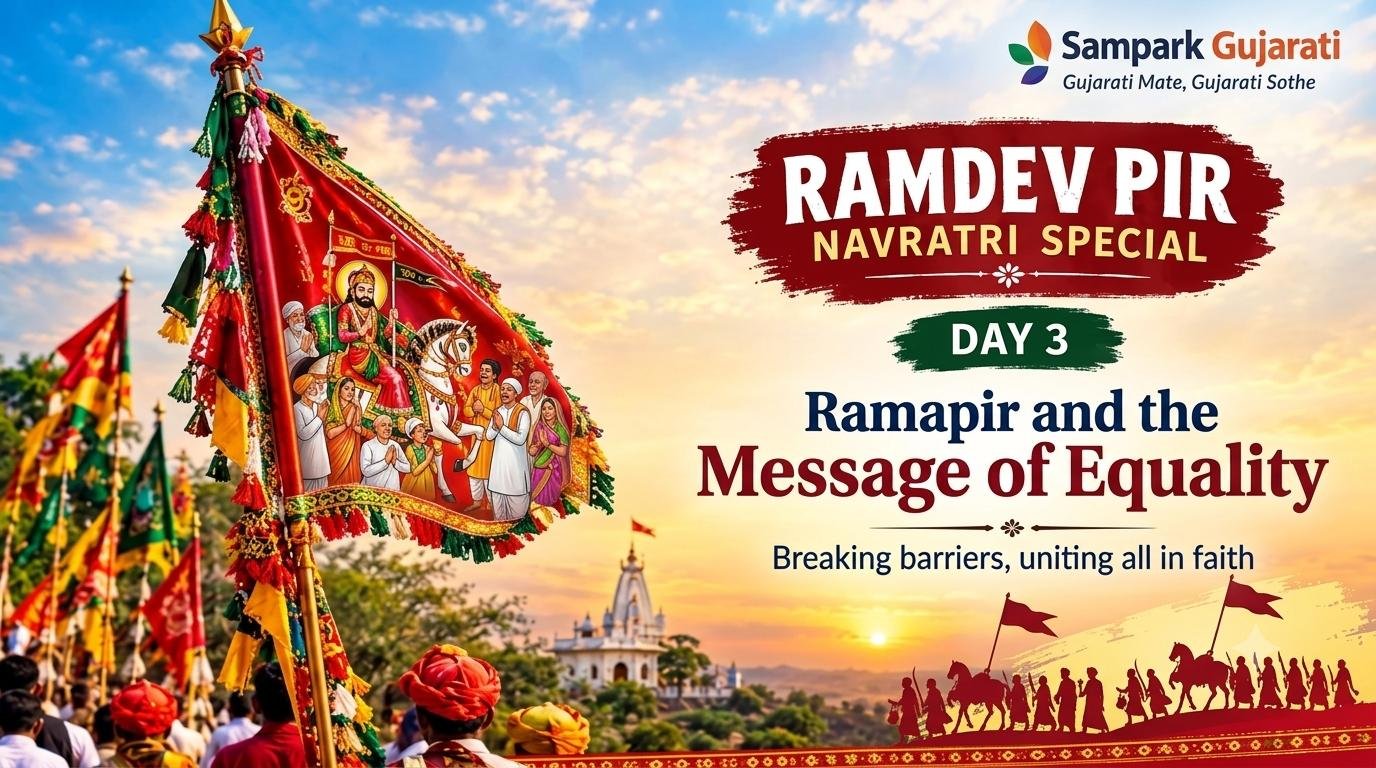
Ramdev Pir Navratri Special | Day 3
Can a centuries-old folk tradition still teach something important about the way we treat people today?
The story and worship of Ramdev Pir, popularly known as Ramapir, have remained deeply rooted in the cultural traditions of Gujarat and Rajasthan. While his devotees remember him through prayers, bhajans, temples and religious gatherings, another important aspect of his legacy is the idea of human equality and social harmony.
Ramapir’s devotional tradition has historically attracted followers from different communities. This broad acceptance has helped make him an important symbol of unity within the folk culture of western India.
But how did this tradition develop? Why is equality such an important part of Ramapir’s popular image? And what can today’s generation learn from it?
On Day 3 of Sampark Gujarati’s Ramdev Pir Navratri Special, we explore the connection between Ramapir and the idea of treating humanity above social differences.
Ramapir: A Figure Whose Devotion Crossed Social Boundaries
One of the distinctive features of Ramdev Pir’s worship is its reach across different sections of society.
Unlike traditions that may remain limited to a particular social group or region, Ramapir’s devotion developed a wider following. Communities with different backgrounds have preserved their own customs, songs and stories connected with him.
This broad devotional landscape is an important reason why Ramapir is often remembered as a figure associated with social unity.
The traditions may differ, but the central respect for Ramapir creates a common point of connection.
The Meaning of Equality in Ramapir’s Tradition
Equality does not simply mean treating everyone identically.
At a deeper level, it means recognizing the dignity and humanity of every individual.
Stories and folk traditions associated with Ramdev Pir frequently emphasize compassion towards people who may have been socially or economically disadvantaged.
Over generations, these narratives helped create an image of Ramapir as someone whose devotion was not restricted by social status.
This is one reason his legacy continues to resonate with devotees from different backgrounds.
Beyond Caste and Social Differences
Indian folk traditions often preserve social messages through stories rather than formal teachings.
Ramapir’s popular narratives are one such example.
The stories surrounding him have contributed to a devotional culture in which social distinctions become less important than faith and human connection.
It is important to recognize that these accounts belong largely to folk and devotional traditions, and versions can vary between communities.
Nevertheless, the repeated emphasis on equality within these traditions explains why Ramapir has become associated with social harmony.
Why This Message Still Matters Today
Technology has changed the way people communicate, work and live. Yet social divisions have not completely disappeared.
Differences in wealth, profession, background, language and social identity can still influence the way people interact.
This is where the traditional message associated with Ramapir can become relevant to modern life.
The idea is simple:
A person’s worth should not be decided by their social position.
Respect should be given to everyone—from a wealthy businessperson to a daily wage worker, from a community leader to an ordinary citizen.
Such an outlook strengthens society because it encourages people to look beyond labels.
Ramapir and the Power of Community
Religious traditions often create a sense of belonging.
During Ramapir celebrations, devotees may gather for prayers, bhajans, processions and community activities. People who may not otherwise meet in their daily lives can come together because of a shared cultural tradition.
This collective participation is an important part of folk religion.
The Ramapir Neja, discussed in Day 2 of this series, is one example of how a devotional symbol can become part of a larger community experience.
When people participate together, the focus shifts from individual identity to shared celebration.
Equality Through Seva
The concept of seva, or service, naturally connects with the idea of equality.
When people help someone without asking about their social status, wealth or background, service becomes an expression of humanity.
Food distribution, helping people during religious gatherings, supporting families in need and assisting the elderly are examples of community activities often associated with religious occasions.
These acts may appear simple, but they can strengthen relationships within society.
The important point is not the size of the act. It is the intention behind it.
The Role of Folk Stories in Preserving Social Values
Before social media and digital publishing, folk stories were powerful tools for passing values from one generation to another.
Grandparents told stories to children. Devotees sang bhajans. Communities gathered during fairs and religious occasions.
Through these traditions, cultural ideas were preserved without the need for formal textbooks.
Ramdev Pir’s stories have survived partly because people continue to tell and celebrate them.
Every generation adds its own understanding while keeping the central cultural connection alive.
Ramapir’s Appeal Across Gujarat and Rajasthan
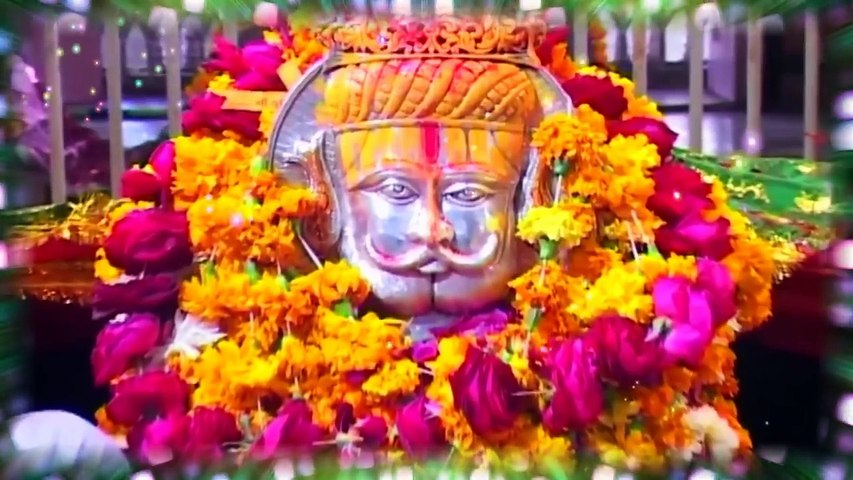
The devotion surrounding Ramdev Pir is particularly visible across Gujarat and Rajasthan.
In Gujarat, Ramapir is remembered through temples, local religious traditions, bhajans, community gatherings and family practices.
In Rajasthan, his cultural and devotional presence is also deeply established.
The geographical spread of his worship shows how folk traditions can cross political and administrative boundaries.
Culture does not always follow state borders.
A story, song or devotional tradition can travel from one village to another and eventually become part of the identity of an entire region.
A Message for the Younger Generation
For younger people, traditional stories can sometimes feel disconnected from modern life.
But the values contained within them can remain relevant.
The Ramapir tradition can encourage younger generations to think about:
– Respecting people regardless of status
– Avoiding unnecessary social discrimination
– Helping people who need support
– Preserving cultural traditions
– Participating in community activities
– Learning from older generations
– Balancing tradition with modern thinking
The objective is not simply to repeat an old story. It is to understand the values within that story and decide how they can be applied today.
Ramdev Pir: More Than a Religious Identity
For many devotees, Ramapir is deeply connected with personal faith.
But his cultural identity extends beyond individual worship.
He has become part of folk music, storytelling, religious celebrations, community traditions and regional identity.
That broader cultural presence helps explain why his name continues to be remembered across generations.
The popularity of Ramapir demonstrates how a religious tradition can simultaneously become a cultural tradition.
What Can We Learn From Ramapir’s Legacy?
The most important lesson of Day 3 is not complicated.
Respect should not have a social hierarchy.
A person’s background may be different, but their dignity remains equally important.
This idea gives Ramapir’s popular legacy a relevance that goes beyond religious celebrations.
In a society made up of many communities, languages and traditions, social harmony depends on the ability to respect differences without allowing those differences to become barriers.
Day 3 Takeaway
Ramdev Pir’s devotional tradition represents a fascinating meeting point between faith and folk culture.
His broad following across communities has contributed to his image as a symbol of equality and social harmony.
The stories surrounding Ramapir may differ according to region and tradition, but the larger cultural message remains powerful: humanity can create connections where social differences create distance.
As the Ramdev Pir Navratri Special continues, we now move from his identity and symbols to the fascinating stories that have helped make Ramapir such a beloved figure.
🚩 Day 4: The Popular Stories and Miracles Associated With Ramapir
What are the stories that made Ramdev Pir’s name famous among generations of devotees?
On Day 4, Sampark Gujarati explores some of the popular folk stories and miracle traditions associated with Ramapir, while clearly distinguishing devotional beliefs from historically documented facts.
Why do these stories continue to be told? Which narratives became part of Gujarat and Rajasthan’s folk culture? And what makes them so memorable?
Discover the fascinating stories behind Ramapir in Day 4 of the Ramdev Pir Navratri Special.
Jai Ramapir 🚩
Frequently Asked Questions
Why is Ramdev Pir associated with equality?
Ramdev Pir’s popular devotional traditions have a broad following across different communities. Stories associated with him often emphasize compassion, human dignity and social harmony, contributing to his image as a figure of equality.
Is Ramdev Pir worshipped by different communities?
Yes. Ramdev Pir has a wide devotional following, particularly in Gujarat and Rajasthan, and his worship has developed across different communities and regional traditions.
What is the social message associated with Ramapir?
The traditions surrounding Ramapir commonly emphasize respect, compassion, service and the importance of looking beyond social differences.
Why is Ramdev Pir important in Gujarati culture?
Ramdev Pir is part of Gujarat’s wider folk and devotional culture, with traditions involving temples, bhajans, religious gatherings, processions and community celebrations.
Stay updated with the latest news and articles. Subscribe Now
Authoritative Sources
- Rajasthan Tourism – Ramdevra Temple
- Rajasthan Devasthan Department – Ramdevji Temple Profile
- Rajasthan Government – Ramdevra Development & Cultural Significance Report
- Rajasthan Tourism – Baba Ramdevji Panorama
