
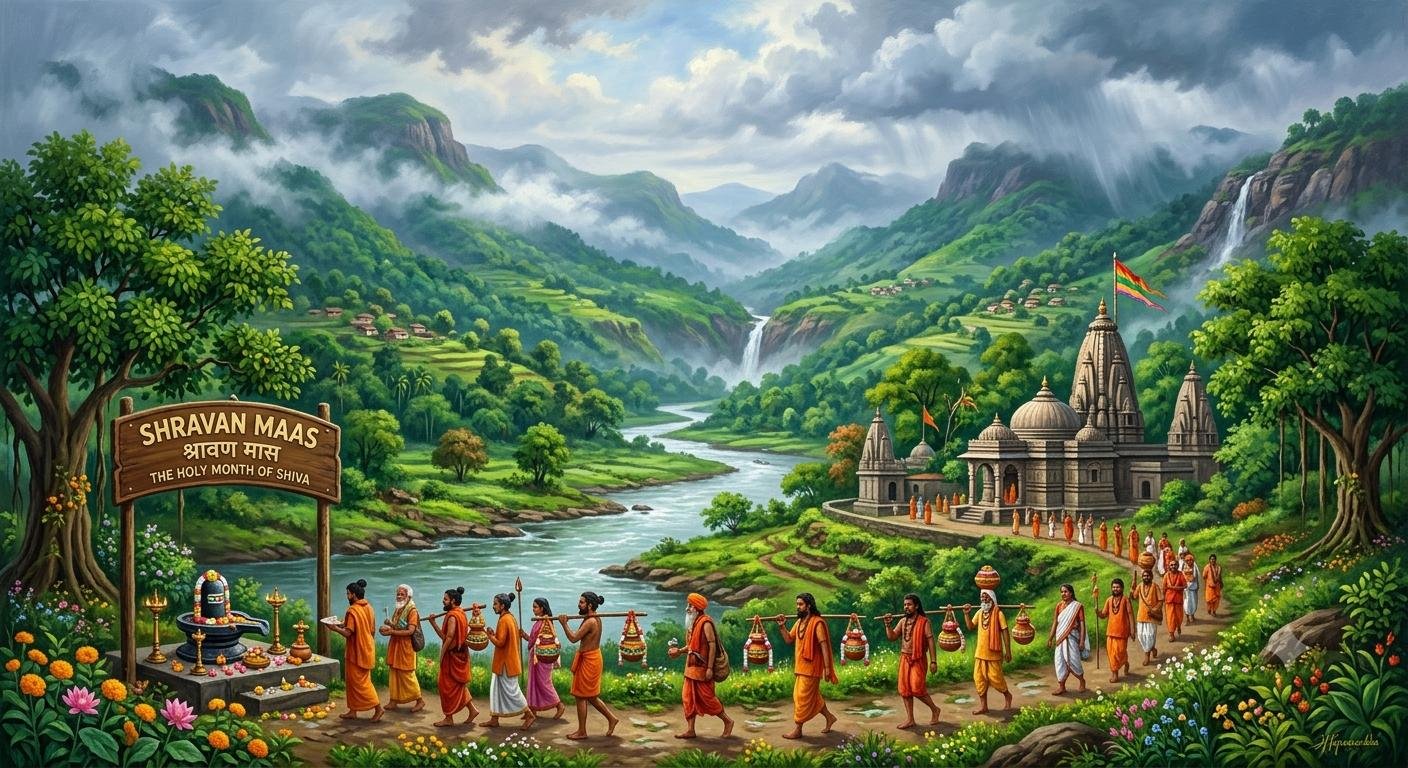
Shravan Maas, also spelled Sawan, is one of the most sacred months in the Hindu calendar. Dedicated primarily to Lord Shiva, Shravan Maas is a period of devotion, self-discipline, prayer, fasting, and genuine spiritual growth. Across India, millions of devotees visit Shiva temples, observe fasts, chant mantras, and seek the blessings of Mahadev for health, peace, and prosperity. More than just a religious observance, Shravan Maas encourages people to purify their thoughts, strengthen their character, and deepen their connection with the Divine in a way that extends meaningfully into daily life and relationships.
Why Is Shravan Maas So Special?
According to Hindu tradition, Shravan Maas is intimately and specifically associated with Lord Shiva. During this month, devotees believe that sincere worship, meditation, and acts of genuine kindness receive special divine blessings. One of the most beloved traditions connects Shravan to the story of the Samudra Manthan — the great cosmic churning of the ocean described in Hindu scripture. During this event, a deadly poison called Halahala emerged from the depths and threatened to destroy all creation. To protect the universe from annihilation, Lord Shiva consumed the poison and held it in his throat, becoming known as Neelkanth, the Blue-Throated One. Throughout Shravan Maas, devotees remember and honour this extraordinary act of compassionate sacrifice by offering water, milk, and bilva (bael) leaves to the Shiva Linga as expressions of gratitude and devotion.
Spiritual Importance of Shravan Maas
Shravan Maas is considered an especially ideal time for worshipping Lord Shiva with sincere and wholehearted devotion, practising meditation and self-discipline, chanting sacred mantras such as Om Namah Shivaya and the Maha Mrityunjaya Mantra, performing acts of charity and compassion toward those in need, and reflecting honestly on personal growth and spiritual values. The month teaches a profound and practical truth: that true devotion is expressed not only through rituals and temple visits but equally and perhaps more importantly through honesty in daily life, kindness in relationships, humility before others, and genuine service to those who are suffering or in need.
Rituals Observed During Shravan Maas
Different regions across India follow different traditions during Shravan Maas, but many devotees share a common set of meaningful practices. The worship of Shiva forms the heart of the observance — devotees offer water or Gangajal, milk, bilva (bael) leaves, white flowers, sandalwood paste, and dhatura fruits and flowers according to their regional and family tradition. Many observe fasts on Shravan Mondays, known as Somvar Vrat, with some eating only one meal and others consuming only fruits and milk in keeping with their household practice. Chanting and prayer are central throughout the month, with Om Namah Shivaya, the Maha Mrityunjaya Mantra, Shiva Chalisa, and Rudram recitation all widely practised by devotees seeking the blessings of Mahadev. Charitable giving — offering food, clothing, or other essentials to people in genuine need — is considered especially meritorious during Shravan Maas, reflecting the compassionate essence of Lord Shiva’s own example.
Shravan Maas and the Renewal of Nature
Shravan Maas falls during India’s monsoon season, and the natural world during this period carries its own profound symbolic resonance. Rivers fill with fresh water, parched fields turn brilliantly green, and the entire landscape appears renewed and refreshed after the heat of summer. This natural renewal beautifully mirrors the spiritual message of the month — the invitation to release accumulated negativity, renew the mind with positive and constructive thoughts, and allow wisdom and compassion to grow in the space that clearing away the old creates. Nature itself becomes a teacher during Shravan, offering a living illustration of the transformation that sincere devotion and honest self-reflection can produce.
Timeless Lessons from Lord Shiva
Lord Shiva’s life and symbolism offer timeless teachings that remain deeply relevant to the challenges of contemporary life. His simplicity — despite being one of the most revered and powerful deities in the Hindu tradition, he lives as a yogi with minimal possessions — reminds us that genuine peace does not depend on material accumulation. His compassion, demonstrated so dramatically in his willingness to consume the Halahala poison to protect all of creation, teaches the transformative power of selfless sacrifice for the welfare of others. His mastery as Adiyogi — the first yogi — symbolises the possibility of complete self-control and inner freedom achieved through sustained meditation and discipline. And his role as the force of transformation reminds us that every ending, however painful, carries within it the seed of a new beginning worth welcoming. Contemporary research on meditation and contemplative practice strongly supports many of these ancient teachings, demonstrating that regular meditative discipline produces measurable improvements in emotional stability, mental clarity, and overall wellbeing.
Why Shravan Maas Matters in Today’s World
Modern life frequently brings stress, constant competition, and an unrelenting flow of distractions that make inner peace feel genuinely difficult to access. Shravan Maas offers a dedicated and culturally supported opportunity to slow down, step back from the noise, and reconnect with the inner stillness that regular life too often crowds out. This sacred month encourages people to reduce anger and habitual negativity, practise gratitude as a daily orientation, spend meaningful time in prayer or meditation, strengthen family bonds and values, actively help those in need, and live with honesty and compassion as consistent practices rather than occasional aspirations. These teachings carry value for people of every age and every walk of life, regardless of the specific form their spiritual practice takes.
Simple Ways to Observe Shravan Maas With Sincerity
Honouring Shravan Maas does not require elaborate rituals or grand gestures — sincere and consistent small acts of devotion carry deep spiritual meaning in this tradition. Beginning the day with a brief prayer to Lord Shiva, chanting Om Namah Shivaya for even a few minutes in the morning, reading a passage from a sacred text such as the Shiva Purana or Rudrashtakam, practising meditation in whatever form feels accessible, donating food or providing support to someone in genuine need, and choosing to speak with kindness and to avoid unnecessary conflict throughout the day are all meaningful expressions of Shravan Maas devotion. It is the sincerity of intention and the consistency of practice, rather than the scale of the external ritual, that gives these observances their spiritual depth and their capacity to genuinely transform the inner life.
Conclusion: A Sacred Month for Inner Transformation
Shravan Maas is far more than a religious festival. It is a sacred and annually recurring opportunity to transform the mind, strengthen faith, deepen compassion, and reconnect with the spiritual foundations that support a meaningful and well-lived life. Lord Shiva’s teachings remind us that real strength comes from humility and patience, that real peace comes from self-control and meditation, and that the highest form of devotion expresses itself through service to humanity and honesty in everyday life. May this holy month inspire peace, wisdom, positive transformation, and the quiet joy of genuine inner renewal in every heart that turns toward Mahadev with sincerity and love.
Stay updated with the latest news and articles. Subscribe Now for more articles.
