
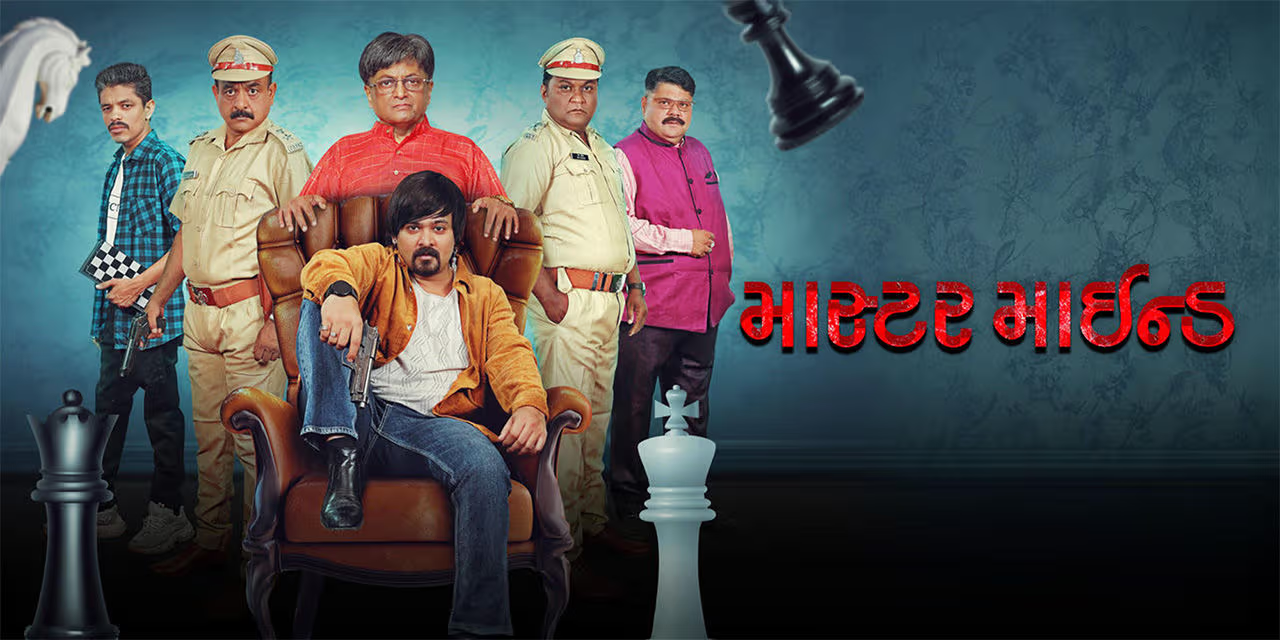
Master Mind arrives as a thoughtful Gujarati family drama that explores a theme many households quietly face — the emotional clash between traditional values and modern aspirations. Rather than depending on loud drama or exaggerated conflict, the film builds strength through realistic conversations, relatable tension, and meaningful performances.
This is not a fast-paced commercial entertainer. Instead, it is a story-driven film that gradually draws viewers into the emotional journey of a family trying to understand each other across a generational gap.

Story and Theme
At the heart of Master Mind is a father-son relationship shaped by misunderstanding, expectations, and unspoken emotions.
The father believes in:
- Discipline
- Stability
- Traditional thinking
The son represents:
- Ambition
- Modern ideas
- The desire to choose his own path
As situations unfold, ego clashes and emotional moments begin to affect the family environment. Silent disappointments create distance between the two generations.
The film carefully portrays how both sides are right in their own way — and how communication becomes the only path toward resolution.
The story feels close to real life, especially in Gujarati families where respect, expectations, and career choices often become sensitive subjects.
Star Cast and Performances
The performances add authenticity and emotional weight to the film.
Sanjay Goradia delivers a mature and emotionally layered performance as the father. His expressions and dialogue delivery make the character believable and impactful.
Nadeem Wadhwania portrays the son with confidence and emotional balance, naturally capturing the confusion and frustration of modern youth.
Jignesh Modia plays an important supporting role that influences the direction of the story.
Supporting actors including Hemang Shah, Nisarg Trivedi, Yamini Joshi, and Kalpesh Patel strengthen the family setting and make the environment feel genuine.
The ensemble cast works smoothly together, ensuring every scene feels natural rather than staged.
Direction and Screenplay
The direction focuses more on emotional storytelling than cinematic glamour. The screenplay allows scenes to breathe, giving the audience time to understand both perspectives in the conflict.
The dialogues are simple yet meaningful, often reflecting thoughts many people hesitate to express openly within families.
The pacing remains steady, keeping viewers emotionally engaged from beginning to end.
Emotional Impact and Message
The strongest aspect of Master Mind is its message:
Understanding is more important than proving who is right.
The film encourages open communication within families and reminds viewers that respect should move both ways — from parents to children and from children to parents.
Why This Film Connects
- Relatable family conflict
- Strong emotional performances
- Meaningful message for parents and youth
- Realistic storytelling without exaggeration
- Ideal for family audiences
Final Verdict
Master Mind is a sincere, emotion-driven Gujarati family drama that leaves viewers reflecting on their own relationships. It may not be loud or flashy, but it delivers impact in a quiet and meaningful way.
Rating: ⭐⭐⭐☆☆ (3/5)
Best For:
- Families
- Parents
- Young adults
- Lovers of meaningful Gujarati cinema
Subscribe Now For More articles.
