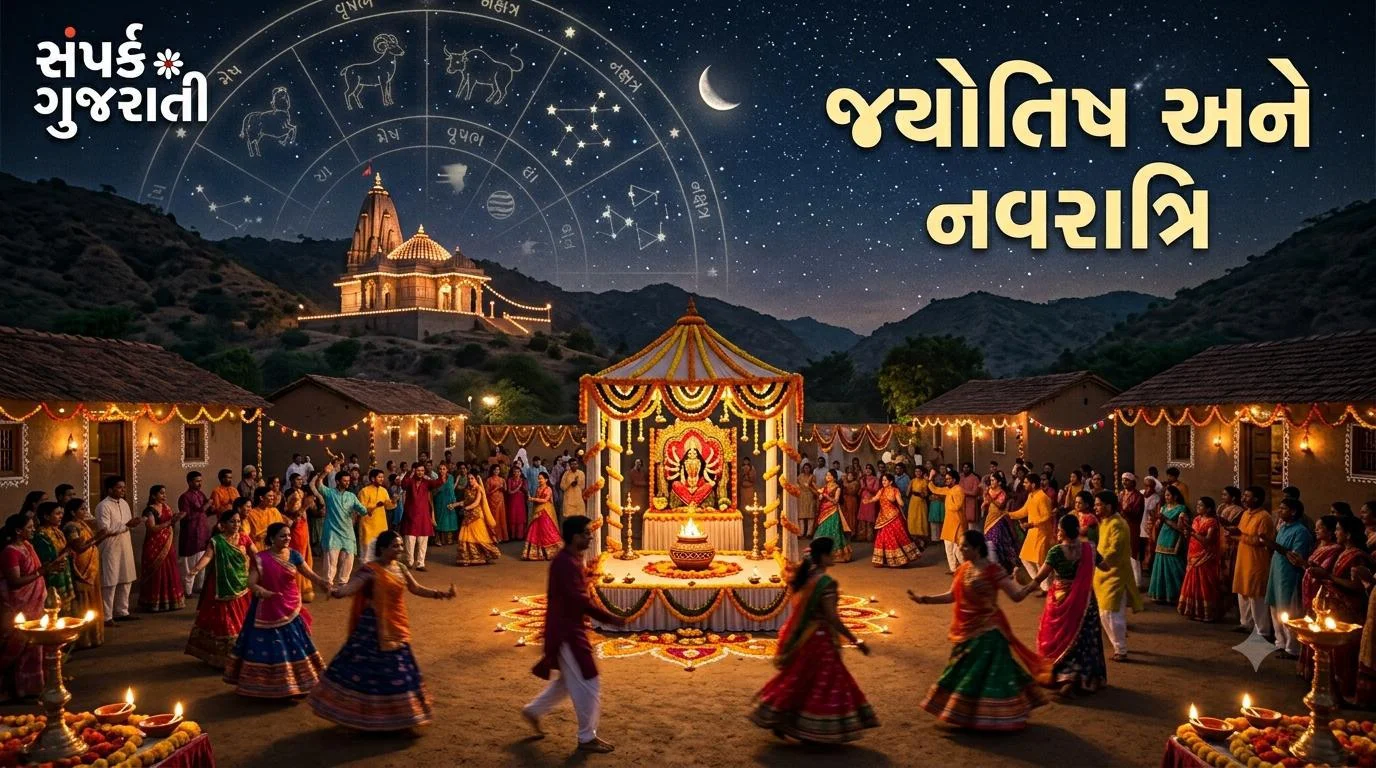
Why do millions of devotees turn to prayer, fasting and worship during Navratri? And is there a connection between the nine forms of Maa Durga and the nine celestial influences known as the Navgrah?
Navratri is traditionally observed as a period of devotion, discipline and spiritual reflection. Across India, families follow different customs during these sacred days, from daily puja and fasting to Garba, Dandiya and community celebrations.
Astrology provides another traditional framework through which some people reflect on qualities such as courage, emotional balance, wisdom, discipline, relationships and responsibility. When these ideas are considered alongside Navratri, the festival can become an opportunity to think about personal habits and spiritual growth.
The nine manifestations of Goddess Durga, commonly called the Navadurga, are worshipped across the nine nights. Each form carries its own religious stories and symbolism, offering devotees different qualities to contemplate.
It is important to distinguish spiritual symbolism from scientific claims. The planetary associations discussed in astrology are part of traditional belief systems and should not be treated as scientifically proven mechanisms.
What Does Navratri Mean in Astrology and Spiritual Tradition?
The word Navratri literally refers to nine nights. Different Navratri festivals are observed during the Hindu calendar, with Sharad Navratri being one of the most widely celebrated.
The festival is dedicated to the Divine Feminine in her various forms. In many traditions, Navratri is associated with the story of Goddess Durga’s victory over Mahishasura, symbolising the triumph of good over destructive forces.
From a spiritual perspective, the nine days can be viewed as a period for changing one’s focus from external distractions toward inner discipline.
For many devotees, this can involve:
- Reducing negative or unhealthy habits
- Practising greater self-control
- Spending more time in prayer or meditation
- Showing compassion toward others
- Developing patience and courage
- Participating in charity or seva
- Reflecting on personal behaviour
These practices are meaningful within devotional traditions regardless of whether someone follows astrology.
Navadurga: Nine Forms of Maa Durga and Their Lessons
The Navadurga represent nine forms of Goddess Durga traditionally worshipped during Navratri. The exact customs and interpretations can differ between traditions, but each form provides an opportunity for spiritual reflection.
Day 1: Maa Shailputri — Strength and Grounding
Navratri traditionally begins with Maa Shailputri. Her association with the mountains evokes ideas of stability, determination and a strong foundation.
Reflection: Think about the foundations of your own life. Are your decisions based on patience, responsibility and consistency?
Day 2: Maa Brahmacharini — Patience and Discipline
Maa Brahmacharini is associated with devotion, perseverance and spiritual discipline.
Her story can remind devotees that meaningful goals often require patience rather than instant results.
Reflection: Where in your life could greater discipline and consistency help you move forward?
Day 3: Maa Chandraghanta — Courage and Inner Strength
Maa Chandraghanta is traditionally depicted as a powerful and protective manifestation of the Goddess.
Her symbolism can encourage devotees to face difficult situations without allowing fear or anger to dictate their actions.
Reflection: Think about a challenge you are facing and how you can approach it with courage and composure.
Day 4: Maa Kushmanda — Energy and Creativity
Maa Kushmanda is associated in devotional traditions with creation, vitality and radiant energy.
Her worship can inspire reflection on creativity and the constructive use of one’s abilities.
Reflection: Consider how you can use your skills and energy to create something meaningful.
Day 5: Maa Skandamata — Care and Compassion
Maa Skandamata represents the nurturing and compassionate dimension of the Divine Mother.
Her symbolism highlights the importance of care, affection and responsibility toward others.
Reflection: Are you making enough time for the people who depend on your support and kindness?
Day 6: Maa Katyayani — Determination and Courage
Maa Katyayani is revered as a powerful form of Shakti. Her traditions are often connected with strength, determination and the ability to confront challenges.
Reflection: Identify one important goal and consider what responsible action you can take toward achieving it.
Day 7: Maa Kalaratri — Facing Fear
Maa Kalaratri represents a fierce aspect of the Goddess and is traditionally associated with confronting destructive forces and fear.
Rather than avoiding difficult emotions or situations, this day can be used for honest self-reflection.
Reflection: What fear or negative habit are you ready to address with patience and practical effort?
Day 8: Maa Mahagauri — Peace and Purity
Maa Mahagauri is associated with serenity, purity and grace.
Her symbolism provides an opportunity to think about forgiveness, calmness and letting go of unnecessary negativity.
Reflection: Is there resentment or emotional baggage that you can begin to release?
Day 9: Maa Siddhidatri — Wisdom and Fulfilment
The ninth form, Maa Siddhidatri, is traditionally associated with spiritual accomplishments, wisdom and divine blessings.
The final day provides an opportunity to look back at the journey of the previous eight days.
Reflection: What have you learned about yourself, and how can that knowledge improve your actions going forward?
These reflections are spiritual interpretations rather than predictions about specific events or changes to a person’s horoscope.
Is There a Connection Between Navratri and the Navgrah?
The Navgrah, or nine planetary influences of Hindu astrology, have traditionally been associated with different aspects of human life.
It is important to clarify that Maa Durga is not considered one of the Navgrah. The relationship between Navratri and planetary symbolism is better understood as a spiritual or interpretive connection rather than a direct planetary equation.
Some devotees may use planetary symbolism as a way of reflecting on personal qualities during Navratri.
| Navgrah | Traditional association | Navratri reflection |
|---|---|---|
| Surya (Sun) | Confidence, vitality, authority | Use confidence responsibly and avoid excessive pride. |
| Chandra (Moon) | Mind, emotions, sensitivity | Create space for emotional stability and compassion. |
| Mangal (Mars) | Courage, energy, action | Be decisive while avoiding unnecessary aggression. |
| Budh (Mercury) | Communication, learning, reasoning | Think carefully, communicate respectfully and continue learning. |
| Guru (Jupiter) | Wisdom, ethics, knowledge | Seek understanding and act with integrity. |
| Shukra (Venus) | Relationships, harmony, affection | Build relationships based on respect and balance. |
| Shani (Saturn) | Discipline, duty, patience | Accept responsibilities and remain consistent. |
| Rahu | Desire, ambition, worldly attachment | Examine excessive desires before allowing them to control decisions. |
| Ketu | Detachment, introspection, spirituality | Spend time reflecting on what genuinely matters. |
These are traditional astrological associations. They should be understood as part of a cultural and spiritual belief system rather than as scientifically demonstrated planetary effects.
Navratri Practices for Spiritual Growth
Navratri traditions vary considerably between families, regions and communities. Some devotees observe elaborate rituals, while others follow simpler forms of worship.
Common practices include prayer, fasting, devotional singing, charity and community celebrations.
Ghatasthapana
For traditions that observe Ghatasthapana, the ritual marks the beginning of Navratri worship.
It can also be viewed symbolically as an opportunity to begin the festival with a clean environment, focused thoughts and sincere intentions.
Daily Worship of Maa Durga
Devotees may light a diya safely, offer flowers, recite prayers or chant traditional mantras.
Even a few quiet minutes of prayer can provide an opportunity to step away from daily distractions and focus on gratitude.
Fasting During Navratri
Fasting is an important practice for many devotees, although the rules differ significantly.
Some people fast on particular days, while others follow specific dietary traditions throughout Navratri.
Fasting should be approached according to individual circumstances and wellbeing rather than as a competition or obligation.
Charity and Seva
Helping someone, offering food, supporting a charitable cause or volunteering can bring a practical dimension to spiritual observance.
For many devotees, service is an important expression of faith.
Garba and Community Celebrations
In Gujarat, Garba is closely connected with Navratri culture. The dance brings together devotion, music, movement and community participation.
For many families and young people, the nightly celebration has become both a religious tradition and an important part of Gujarati cultural identity.
Zodiac-Wise Navratri Reflections
Astrology can also be used as a framework for personal reflection. The following suggestions are general prompts, not individual horoscope readings or predictions.
Aries: Pause and think before turning your energy into action.
Taurus: Appreciate stability while remaining open to generosity and change.
Gemini: Use your communication skills thoughtfully and avoid unnecessary misunderstandings.
Cancer: Protect your emotional peace while staying connected with family and loved ones.
Leo: Let confidence be balanced by humility.
Virgo: Avoid excessive overthinking and recognise the value of gradual progress.
Libra: Look for fairness and mutual respect in your relationships.
Scorpio: Work toward releasing resentment and building trust.
Sagittarius: Combine optimism with realistic planning.
Capricorn: Pursue your ambitions while making time for reflection and rest.
Aquarius: Use innovative thinking in ways that can benefit your community.
Pisces: Let compassion guide you while maintaining healthy personal boundaries.
Can Navratri Remedies Bring Money, Career Growth or Relationship Success?
Many devotees pray to Maa Durga for strength, protection, prosperity and relief from difficulties. Some also follow specific rituals or astrological practices with hopes of improving areas such as career, business, education or relationships.
However, religious practice should not be presented as a guaranteed method for achieving a particular financial, professional or personal result.
A practical approach can combine faith with action.
For career development, build relevant skills, prepare carefully and learn from experienced people.
For business growth, understand your customers, manage finances responsibly and make decisions based on reliable information.
For relationships, communicate openly, respect boundaries and make time for the people who matter.
For personal wellbeing, develop sustainable routines and seek appropriate professional support when necessary.
Prayer and spiritual practices can provide structure, comfort and motivation, but they should complement—not replace—practical decision-making.
The Deeper Meaning of the Nine Nights
The nine nights of Navratri can be viewed as a spiritual journey.
The different forms of Maa Durga provide devotees with opportunities to contemplate qualities such as stability, discipline, courage, creativity, compassion, determination, fearlessness, peace and wisdom.
The deeper lesson does not necessarily depend on performing a complicated ritual.
Sometimes spirituality can begin with ordinary actions: controlling anger, speaking truthfully, helping someone, fulfilling responsibilities, showing respect and remaining patient during difficult circumstances.
Navratri therefore offers both celebration and reflection.
The lights, music and Garba create a vibrant festive atmosphere, while the devotional traditions encourage people to look inward.
Final Thoughts
The relationship between astrology and Navratri is best understood through traditional symbolism and spiritual reflection.
The Navadurga provide nine different expressions of Shakti, while the Navgrah offer another traditional framework for understanding qualities and experiences associated with human life.
For devotees, Navratri can be much more than nine nights of celebration. It can be a chance to renew intentions, strengthen positive habits and reconnect with faith, family and community.
Whether your Navratri includes puja, fasting, Garba, meditation, charity or simply spending time with loved ones, the festival can serve as a reminder that inner strength develops through everyday choices.
Let these nine nights inspire nine qualities:
Courage. Discipline. Clarity. Creativity. Compassion. Determination. Fearlessness. Peace. Wisdom.
May Maa Durga bless devotees with strength, understanding and the courage to face life’s challenges with faith, patience and responsible action.
Jai Mata Di! 🙏🌺
Stay updated with the latest news and articles. Subscribe Now for more articles.
