
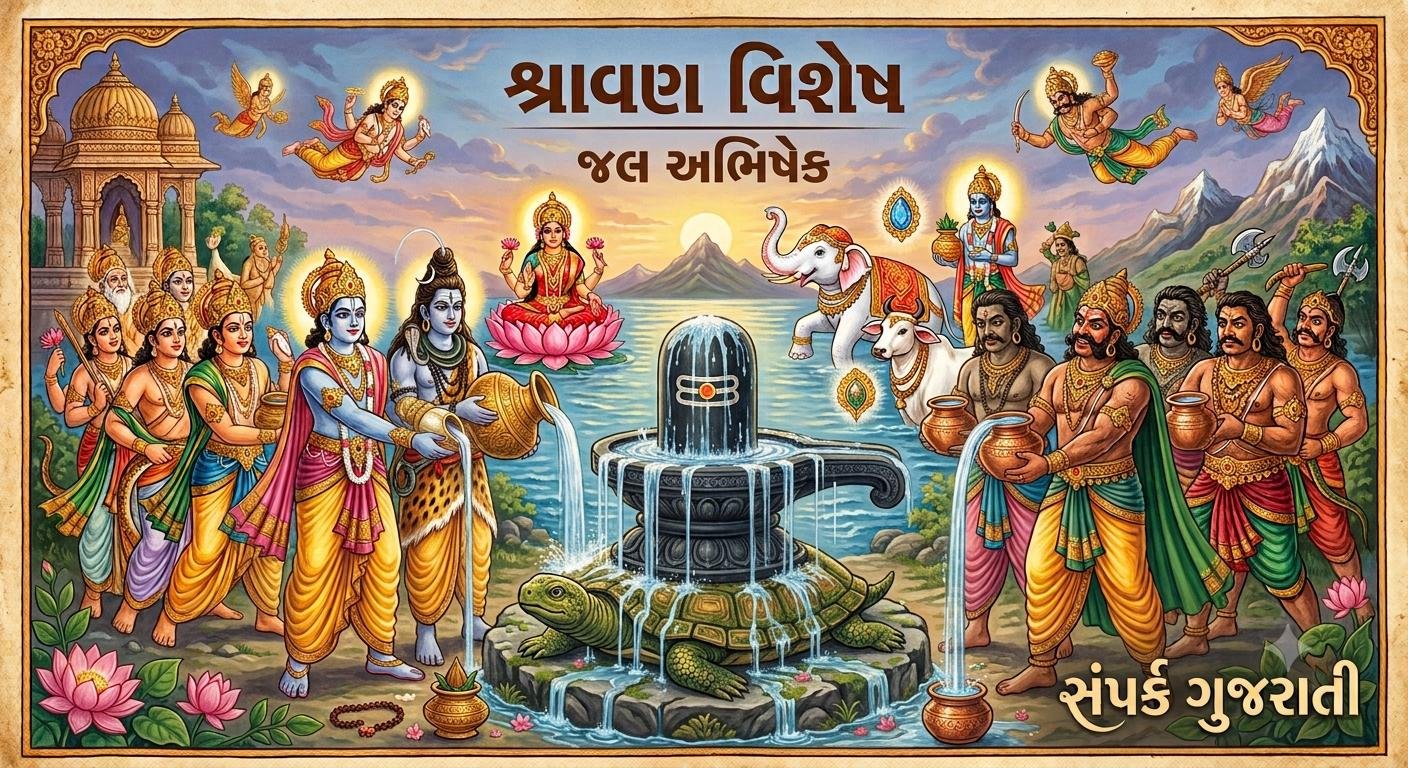
Shrawan is one of the most sacred months for devotees of Lord Shiva. Temples become filled with the sound of Har Har Mahadev and Om Namah Shivaya, while devotees offer water, milk and Bilva leaves to the Shivling.
Among all Shrawan traditions, Jal Abhishek holds a special place. But why do devotees offer water to Shivling? Is it simply a ritual, or does the tradition carry a deeper spiritual meaning?
The answer is connected with ancient Shiva traditions, the story of Samudra Manthan, and the idea of surrendering our emotions and negativity to Mahadev.
The Connection Between Shrawan and Lord Shiva
Shrawan is traditionally considered an especially auspicious period for Shiva worship. Devotees observe fasts, visit temples, perform Abhishek and recite Shiva mantras.
The most common offering is simple water.
This simplicity itself reflects an important aspect of Shiva’s nature. Mahadev is often described as Bholenath — the Lord who is easily pleased by sincere devotion rather than material wealth.
For devotees, offering water becomes a simple expression of faith and surrender.
The Story of Samudra Manthan

The deeper connection is often associated with the famous Samudra Manthan.
According to Hindu mythology, the Devas and Asuras churned the cosmic ocean in search of Amrit, the divine nectar.
But before Amrit appeared, the deadly Halahal poison emerged.
The poison was so powerful that it threatened the universe.
The Devas approached Lord Shiva, and Mahadev accepted the poison to protect creation. Maa Parvati prevented it from spreading further, and Shiva’s throat became blue.
This is why Mahadev is known as Neelkanth.
The episode is one of the major symbolic associations behind the practice of offering cooling substances to Shiva during this sacred period.
Why Water Is Offered to Shivling
Water represents purity, calmness and life.
When devotees pour water over the Shivling, it can be understood as a symbolic act of surrender.
They are essentially expressing:
“Mahadev, I surrender my worries, ego and negativity to you. Give me the strength to remain peaceful.”
The water flowing over the Shivling also represents the continuous flow of devotion.
It is not merely about the quantity of water or the material used for worship. The feeling behind the offering is considered important.
The Shivling and the Element of Water
Hindu spiritual traditions often connect Shiva worship with the elements of nature.
Water has a natural association with cooling and purification. In devotional practice, Jal Abhishek represents the calming of the mind and the purification of one’s thoughts.
During Shrawan, devotees may therefore see the ritual as an opportunity to slow down, become peaceful and reconnect with their spiritual side.
Why Monday Is Special
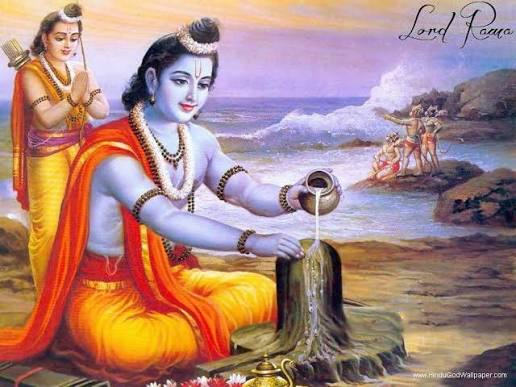
Mondays, or Somvar, are traditionally associated with Lord Shiva.
During Shrawan, many devotees observe Somvar Vrat and visit Shiva temples on Mondays.
Offering water to the Shivling on these days becomes a central part of their worship.
Some devotees also perform Rudrabhishek, chant the Mahamrityunjaya Mantra or recite Shiva-related prayers.
The purpose is to strengthen devotion and discipline.
The Story of Ganga and Shiva
Another beautiful connection comes from the story of Ganga’s descent to Earth.
When the sacred river Ganga descended from the heavens, her force was believed to be so powerful that Earth could not withstand it.
Lord Shiva received Ganga in his matted hair and controlled her flow before allowing her to reach the Earth.
This association between Shiva and sacred water further strengthens the spiritual importance of water in Shiva worship.
For devotees, water offered during Abhishek can therefore also evoke the sacred presence of Ganga.
Why Devotees Offer Bilva Leaves Along With Water
Water is frequently offered along with Bilva Patra, the sacred Bilva leaf.
Traditional Shiva worship considers Bilva leaves highly auspicious.
The three-part Bilva leaf is often interpreted symbolically in different ways, including associations with Shiva’s Trishul, the three gunas and various forms of divine unity.
When devotees place Bilva leaves on the Shivling after offering water, the ritual becomes a combination of simplicity, devotion and symbolic surrender.
Is Milk Necessary for Shiva Abhishek?
Many devotees traditionally offer milk, curd, honey and other substances during Abhishek.
However, water remains the simplest and most accessible offering.
A devotee does not need elaborate materials to express devotion to Mahadev.
The deeper message is that faith does not depend on wealth.
A person who offers only clean water with genuine devotion can still participate in the spiritual tradition.
The Modern Meaning of Jal Abhishek
The ancient ritual can also offer a meaningful lesson for modern life.
Our minds constantly accumulate stress — work pressure, anger, fear, comparison and anxiety.
Jal Abhishek can become a moment of pause.
As the water flows over the Shivling, devotees can consciously let go of negative thoughts and remind themselves to remain calm.
In this sense, the ritual becomes more than an external tradition. It can become a daily or weekly practice of inner cleansing.
Shrawan’s Greatest Message
The beauty of Shrawan is that devotion does not have to be complicated.
A temple visit, a glass of water, a Bilva leaf and the chanting of Om Namah Shivaya can become a powerful spiritual moment when performed with sincerity.
The tradition of offering water to Shivling reminds devotees of three simple values:
Purify your thoughts.
Control your emotions.
Surrender your ego.
That is the deeper spirit behind Jal Abhishek.
Har Har Mahadev
During Shrawan, when devotees stand before Mahadev and pour water over the Shivling, they are not simply following an old tradition.
For many believers, they are remembering the compassion of Neelkanth, the power of Ganga, the devotion of Parvati, and the timeless presence of Mahadev.
The flowing water becomes a symbol of devotion — continuously moving, continuously cleansing and continuously reminding us that even in difficult times, peace can be found through faith.
Shrawan Special Thought
“Offer water to Mahadev not only with your hands, but also with a peaceful heart. Let the Abhishek remind you to wash away anger, ego and negativity from within.”
Stay updated with the latest news and articles. Subscribe Now for more articles.
