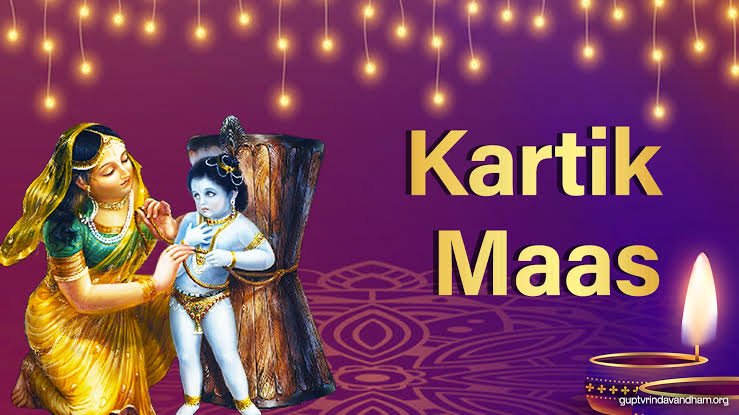
Kartik Maas is considered one of the months in the Hindu calendar. While it is widely associated with Lord Vishnu, Goddess Lakshmi, Tulsi worship and Dev Diwali many families also connect this period with remembrance, prayers and charity. Is Kartik Maas actually known as Pitru Maas? What is the connection between our ancestors and this month?
In Hindu culture remembering ancestors is considered a responsibility. The traditions of Shraddha, Tarpan, Pind Daan and charitable offerings reflect gratitude towards those who came before us.
Although Pitru Paksha is the period dedicated to rituals some practices during Kartik Maas also provide chances for remembrance and prayers for departed family members.
Let us understand the importance of Kartik Maas, its link with Pitru traditions and why remembering our ancestors remains important.
1. What Is Kartik Maas and Why Is It Considered Sacred?
Kartik Maas is the month in the Hindu lunar calendar followed in many regions, including Gujarat. It generally falls around October and November although its exact dates change every year.
The month begins after Ashwin. It is especially important to devotees of Lord Vishnu.
According to traditions worshipping Lord Vishnu during Kartik Maas, lighting diyas performing charity observing fasts and visiting temples are considered spiritually meaningful activities.
The month is also associated with:
- Tulsi Vivah.
- Dev Uthani Ekadashi.
- Kartik Purnima.
- Dev Diwali.
- Daily diya lighting.
- bathing and charitable activities.
For devotees Kartik is a time of discipline, devotion, gratitude and spiritual renewal.
2. Is Kartik Maas Known as Pitru Maas?
There is a difference between Kartik Maas and Pitru Paksha.
Pitru Paksha is the 16-lunar-day period dedicated specifically to remembering ancestors through Shraddha, Tarpan and related rituals. It generally occurs during the Krishna Paksha of Bhadrapada in the Purnimanta calendar or during the period in the Amanta calendar.
Kartik Maas on the hand is mainly known as a month of devotion to Lord Vishnu.
However Amavasya and other suitable times during Kartik may be used for remembrance depending on customs, family traditions and religious advice.
This is why some families link Kartik with Pitru devotion.
It would be better to say that Kartik is a month that includes chances for Pitru remembrance than calling the whole month Pitru Maas.
3. Why Is Amavasya Important for Pitru Devotion?
Amavasya, the new-moon day has a place in Hindu traditions.
According to Hindu beliefs this day is considered suitable for offering prayers and Tarpan to departed ancestors.
Tarpan is a ritual where water is offered with prayers and remembrance. Depending on family custom offerings may include water, sesame seeds and other items.
The goal is to show gratitude and ask for peace for departed family members.
Amavasya is observed every month. Some families perform Pitru-related prayers on these days.
During Kartik Amavasya, which’s the main Diwali night in many Hindu calendars families may also remember their ancestors as part of their usual customs.
The spiritual message is that celebrating prosperity should not make us forget the people whose efforts, sacrifices and values helped build our families.
4. What Is the Link Between Pitru Paksha and Kartik Maas?
Pitru Paksha and Kartik Maas have religious identities but both can be seen through the larger Hindu idea of gratitude.
Pitru Paksha: A time for ancestors
During Pitru Paksha families perform Shraddha, Tarpan and other rituals based on the death anniversary tithi and family traditions.
The goal is to remember departed parents, grandparents and other ancestors with respect.
Kartik Maas: A time of devotion and spiritual discipline
Kartik Maas focuses strongly on Lord Vishnu worship Tulsi devotion, charity, fasting and spiritual practices.
Some families also use this time to offer prayers for departed relatives and do acts of charity in their memory.
Both periods remind people that spiritual life involves gratitude towards the divine, nature, family and previous generations.
5. Why Do Hindus Perform Shraddha and Tarpan for Ancestors?
In Hindu tradition ancestors are often called Pitru.
The word Pitru refers to departed forefathers and ancestors who are remembered through family rituals.
Shraddha comes from the Sanskrit word linked with faith and sincerity. It refers to rituals done with respect for departed family members.
Tarpan is an offering made as a way to show respect and remembrance.
These practices are traditionally connected with the belief that descendants should acknowledge their ancestors and fulfill their family duties.
The deeper meaning is gratitude.
Our lives are connected with generations before us. The language we speak the traditions we follow the values we learn and even the opportunities we get may be shaped by our ancestors.
Pitru rituals offer a way to honor that connection.
6. What Is the Link Between Lord Vishnu and Pitru Devotion During Kartik?
Kartik Maas is strongly connected to Lord Vishnu.
In Vaishnava traditions devotees worship Vishnu as the protector and preserver of the universe. During Kartik many people do prayers worship Tulsi and light lamps.
The link with Pitru devotion can be seen through the importance of prayer, charity and remembrance.
Some families dedicate acts of charity, food offerings or prayers during Kartik to the memory of departed relatives.
The belief is that performing deeds with an intention of remembering is spiritually meaningful.
However Kartiks link with worship should not be confused with a rule that every family must perform rituals throughout the month.
Specific Shraddha and Tarpan practices depend on the family tradition.
7. Why Is Charity Important During Kartik Maas?
Daan or charity is a part of Hindu religious events.
During Kartik Maas devotees may give food, clothes, money or other useful items to people in need.
Some families also do charity in memory of their ancestors.
This practice has a message: the blessings and resources we receive should not stay with our own families.
Feeding someone whos hungry helping a person supporting a student or giving essential supplies to a needy family can become a way to show gratitude and kindness.
When charity is done in memory of departed loved ones it also keeps their values alive through actions.
8. Can We Remember Our Ancestors During Diwali and Kartik Amavasya?
Yes. Many families remember departed relatives during Diwali and on Amavasya according to their customs.
Diwali is mainly connected with the return of Lord Rama to Ayodhya in one followed story and with the worship of Goddess Lakshmi.
At the time Amavasya has its own importance in ancestral observances.
Some households may offer prayers light a diya or do rituals in remembrance of departed family members.
Customs vary between communities so it is helpful to follow family traditions or ask a priest for rituals.
The important thing is to remember with respect and sincerity.
9. What Can We Learn from Pitru Devotion?
Pitru devotion is not about doing rituals on days. It also teaches values that can be used all year round.
Respect your elders: Care for parents and grandparents while they’re alive.
Keep family values: Pass on the qualities and traditions from generation to generation.
Practise gratitude: Recognise the efforts and sacrifices that made your current life possible.
Help others: Do acts in memory of loved ones.
Keep family harmony: Avoid fights and work to strengthen family relationships.
The deeper meaning of remembering ancestors is to honor the past while living responsibly in the present.
Kartik Maas Reminds Us to Remember God, Family and Ancestors
Kartik Maas is widely celebrated as a time of Lord Vishnu devotion Tulsi worship, charity and spiritual discipline.
Although it is not generally called Pitru Maas, its Amavasya days and family customs can offer chances to remember ancestors.
Pitru Paksha has an established role in Hindu ancestral rituals while Kartik Maas brings together several devotional traditions that may also include prayers and charity in memory of departed loved ones.
In the end the message of both traditions is beautiful: never forget the people who came before us.
Light a diya in devotion offer prayers with gratitude help someone in need and preserve the values passed down from your ancestors. That is one way to keep their memory alive.
Stay updated with the latest news and articles. Subscribe Now
