
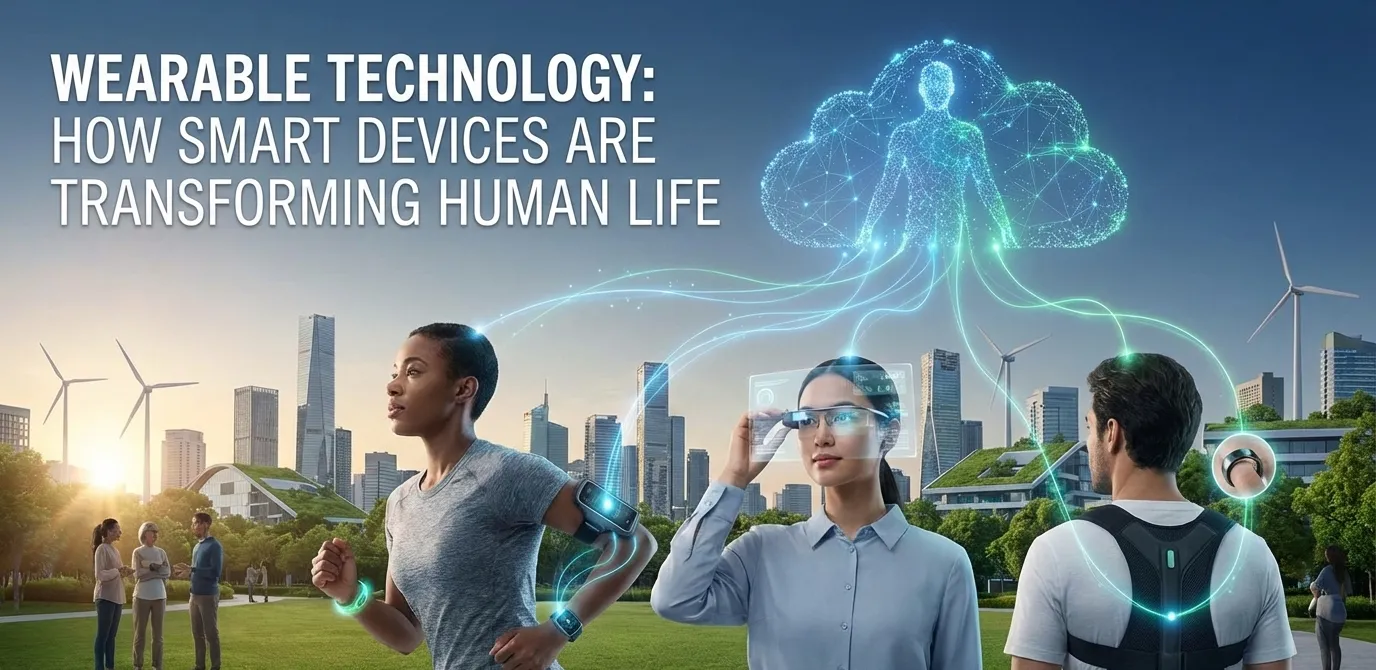
Wearable technology has emerged as one of the most influential innovations of the modern digital era. From smartwatches and fitness bands to smart glasses and advanced health-monitoring devices, wearable technology is seamlessly blending digital systems with everyday human life. Designed to be worn on the body, these smart devices collect data, provide real-time insights, and help people live healthier, safer, and more connected lives.
As technology becomes increasingly personal, wearable technology is playing a vital role in shaping how humans interact with digital ecosystems.
What Is Wearable Technology
Wearable technology refers to electronic devices designed to be worn on the body as accessories, clothing, or embedded systems. These devices use sensors, connectivity, and software to track user activity and deliver meaningful information in real time.
Common types of wearable devices include:
- Smartwatches
- Fitness trackers
- Smart glasses
- Health-monitoring wearables
- Smart clothing
Wearable devices operate continuously and offer hands-free access to digital features, making technology more accessible and practical.
Smartwatches: The Most Popular Wearable Devices
Smartwatches are currently the most widely adopted wearable technology. They combine traditional timekeeping with advanced digital capabilities.
Key features of smartwatches include:
- Heart rate and activity tracking
- Sleep monitoring
- Call and message notifications
- GPS navigation and tracking
- Emergency and SOS alerts
Smartwatches help users manage health, productivity, and communication without constant reliance on smartphones.
Fitness Trackers and Health Monitoring
Fitness trackers are designed to promote an active and healthy lifestyle by monitoring physical activity and body metrics.
Health benefits of fitness trackers include:
- Step counting and calorie tracking
- Workout performance analysis
- Blood oxygen level monitoring
- Stress and recovery detection
These devices motivate users to maintain consistent fitness routines and improve overall well-being.
Technology in Healthcare
Healthcare is one of the most impactful sectors benefiting from wearable technology. Medical wearables enable continuous health monitoring and proactive care.
Key healthcare applications include:
- Real-time patient monitoring
- Early detection of medical conditions
- Remote healthcare and telemedicine support
- Chronic disease management
Doctors and healthcare providers can access accurate data, allowing faster diagnosis and personalized treatment plans.
Mental Health and Wearable Devices
Wearable technology is increasingly supporting mental health and emotional well-being. By tracking physiological signals, wearables provide insights into mental health patterns.
Key mental health features include:
- Stress monitoring through heart rate variability
- Sleep quality analysis
- Guided breathing and meditation tools
- Mood and emotional pattern insights
These features help users manage anxiety, improve sleep, and enhance mental resilience.
Smart Glasses and Augmented Wearables
Smart glasses and head-mounted wearables enhance real-world experiences by overlaying digital information onto the physical environment.
Common use cases include:
- Navigation and real-time directions
- Industrial training and simulations
- Remote expert assistance
- Accessibility support for visually impaired users
These devices are redefining how people access information and interact with their surroundings.
Smart Clothing and Fashion Technology
This technology is entering the fashion industry through smart fabrics and intelligent clothing designs.
Key features of smart clothing include:
- Temperature regulation
- Posture correction support
- Fitness and activity tracking
- Biometric and health monitoring
This fusion of fashion and technology enhances comfort, performance, and functionality.
Wearables in Safety and Emergency Response
Wearable devices play a crucial role in personal safety and emergency situations, particularly for vulnerable populations.
Safety applications include:
- Fall detection
- Emergency SOS alerts
- Real-time location sharing
- Accident detection and alerts
These features are especially valuable for senior citizens, outdoor workers, and individuals in high-risk environments.
Technology in Workplace and Industry
Industries are increasingly adopting wearable technology to improve productivity, safety, and efficiency.
Industrial applications include:
- Smart helmets and protective gear
- Wearable scanners and sensors
- Fatigue and stress monitoring
- Real-time safety alerts
Wearables help reduce workplace accidents and optimize operational performance.
Wearables in Education and Training
Educational institutions and training programs are using wearable technology to create immersive learning experiences.
Benefits of wearables in education include:
- Skill-based and hands-on training
- Interactive and experiential learning
- Virtual simulations
- Performance and progress tracking
Students gain practical knowledge through real-time feedback and engagement.
Data Security and Privacy Concerns
Despite its benefits, wearable technology raises important data security and privacy challenges.
Key concerns include:
- Data security risks
- Unauthorized access to personal information
- User consent and data ownership
Manufacturers are investing in encryption, secure storage, and transparent policies to protect user trust.
Role of Technology in Smart Living
Wearable technology integrates seamlessly with smart homes and connected digital environments.
Smart living features include:
- Voice control integration
- Smart home connectivity
- Health-based automation
- Personalized alerts and recommendations
This connectivity makes daily life more efficient, adaptive, and responsive.
Future of Technology
The future of this technology is driven by continuous innovation and technological advancement.
Emerging trends include:
- AI-powered wearable devices
- Advanced health diagnostics
- Implantable wearable technology
- Energy-efficient and flexible sensors
- 5G-enabled wearable connectivity
Wearable devices will become smaller, smarter, and more powerful over time.
Conclusion
This technology is transforming how humans interact with technology by making it more personal, intuitive, and impactful. From improving health and safety to enhancing productivity, education, and lifestyle, wearable devices are becoming essential tools in modern life.
As innovation continues, wearable technology will move beyond convenience and become a critical component of preventive healthcare, smart living, and digital empowerment.
Subscribe Now For More articles.
