
Indian cinema has witnessed many changes over the decades. From black-and-white films to colour cinema, single-screen theatres to multiplexes, and traditional storytelling to OTT platforms, the entertainment industry continues to evolve. Yet one production house has maintained a distinctive identity through generations: Rajshri Productions, the banner associated with the Barjatya family. Founded by Tarachand Barjatya in 1947, Rajshri became synonymous with family relationships, romance, Indian traditions, memorable music, and wholesome entertainment. Its films have connected with audiences who enjoy watching stories about love, marriage, parents, siblings, and family values. Under filmmaker Sooraj R. Barjatya, the production house became particularly influential in shaping the Hindi family-entertainment genre. For Sampark Gujarati readers, this is an interesting story of how one family’s cinematic vision became an important part of India’s entertainment culture.
1. The Beginning: Tarachand Barjatya’s Vision
The journey of Rajshri Productions began in 1947, the year India gained independence. Its founder, Tarachand Barjatya, believed that cinema could entertain audiences while presenting meaningful human stories. The production house initially explored different genres and social subjects rather than limiting itself to one formula. Some notable early productions include Aarti, Dosti, Piya Ka Ghar, Tapasya, Chitchor, Geet Gata Chal, Nadiya Ke Paar, and Saaransh. These films explored friendship, relationships, sacrifices, love, and everyday human experiences. The 1964 film Dosti became particularly memorable for its emotional storytelling and received major recognition, including the National Film Award for Best Feature Film in Hindi. Rajshri’s early journey established the foundation for the family-oriented cinema that would become its signature.
2. Sooraj Barjatya: The Filmmaker Who Created a New Era
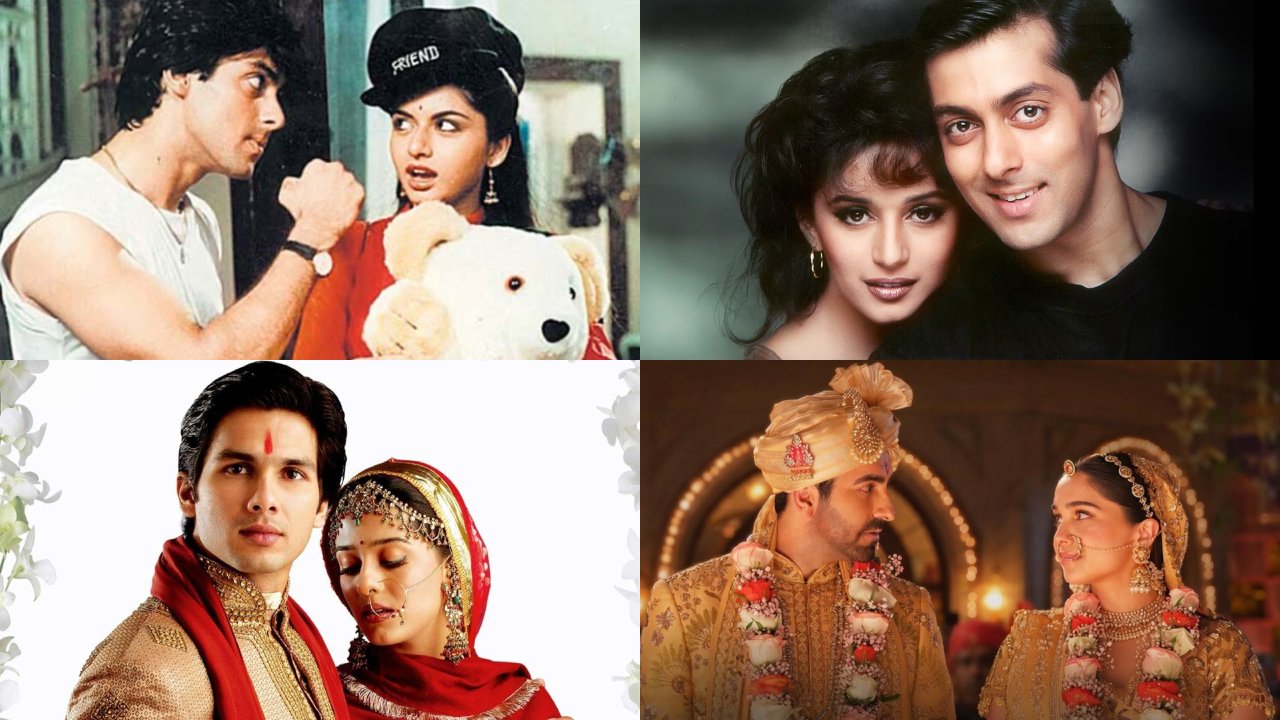
The next major chapter began with Sooraj R. Barjatya. His directorial debut, Maine Pyar Kiya (1989), introduced a romantic storytelling style that connected strongly with young audiences. Starring Salman Khan and Bhagyashree, the film became a major success and established Salman Khan’s association with the character name Prem. Sooraj Barjatya subsequently directed films that became important milestones in Hindi cinema, including Hum Aapke Hain Koun..! (1994), Hum Saath-Saath Hain (1999), Main Prem Ki Diwani Hoon (2003), Vivah (2006), Prem Ratan Dhan Payo (2015), and Uunchai (2022). His cinema often combines romance, family responsibilities, celebrations, music, and emotional conflicts.
3. Hum Aapke Hain Koun..! Changed the Family Movie Experience
When Hum Aapke Hain Koun..! arrived in 1994, it became one of the defining family entertainers of its generation. Featuring Salman Khan and Madhuri Dixit, the film presented weddings, family gatherings, rituals, songs, humour, and relationships as central parts of its storytelling. Its influence extended beyond the conventional movie experience. Audiences connected with its wedding celebrations, traditional clothing, family games, and musical sequences, and songs such as Didi Tera Devar Deewana and Pehla Pehla Pyar Hai became popular across generations. The film helped establish the idea that family celebrations themselves could become a major theatrical attraction. Even today, its wedding sequences and songs remain familiar to many Indian households.
4. Hum Saath-Saath Hain: Celebrating Joint Family Values
If Hum Aapke Hain Koun..! celebrated weddings and relationships, Hum Saath-Saath Hain (1999) explored the emotional importance of family unity. Featuring Salman Khan, Karisma Kapoor, Saif Ali Khan, Tabu, Sonali Bendre, and Mohnish Bahl, the film revolved around a family dealing with relationships, misunderstandings, and responsibilities. Its central message was reflected in its title: staying together despite difficulties. The film became an example of Rajshri’s interest in joint-family relationships and the emotional bonds between siblings and parents.
5. Vivah: A Celebration of Traditional Indian Marriage
Vivah (2006), starring Shahid Kapoor and Amrita Rao, presented marriage through a traditional Indian family setting. Rather than depending entirely on glamour or action, the film focused on commitment, trust, family expectations, and emotional relationships. It connected with audiences who appreciated its simple storytelling and traditional wedding atmosphere. The film also demonstrated that family entertainment could find success through relatively intimate stories rather than only large-scale productions.
6. Prem Ratan Dhan Payo: Royal Grandeur Meets Family Entertainment
In 2015, Sooraj Barjatya reunited with Salman Khan for Prem Ratan Dhan Payo. Featuring Sonam Kapoor, the film combined royal settings, family conflicts, romance, music, and elaborate celebrations. Its soundtrack and visual presentation gave audiences another version of the familiar Rajshri cinematic world. The film also demonstrated how the production house could combine traditional storytelling with contemporary filmmaking scale.
7. Rajshri’s Family Entertainment Is Not Limited to Romance
One important development in Rajshri’s journey has been its willingness to explore stories beyond traditional romance and wedding celebrations. Uunchai (2022), directed by Sooraj Barjatya, featured Amitabh Bachchan, Anupam Kher, Boman Irani, Neena Gupta, and Sarika. The film explored friendship, ageing, determination, and the emotional importance of fulfilling a friend’s dream. It showed that family entertainment can include mature subjects and meaningful life experiences, and its central theme demonstrated that wholesome cinema does not necessarily mean predictable storytelling.
8. From Theatres to Television and OTT
Rajshri’s entertainment journey has extended beyond theatrical films. The production house has also been associated with television programmes and digital entertainment, with projects exploring family relationships, domestic situations, romance, and social themes. With the growth of streaming platforms, Rajshri has continued exploring digital storytelling. The series Bada Naam Karenge, streamed on Sony LIV, is an example of its move into contemporary family-oriented streaming entertainment. In 2022, Sooraj Barjatya discussed the production house’s plans for family dramas and web series, showing an interest in adapting its storytelling philosophy to the digital medium.
9. Why Rajshri Films Connect With Indian Families
There are several reasons why the production house has maintained a distinctive identity. Family relationships come first, since parents, siblings, grandparents, marriage, and friendships frequently form the emotional centre of its stories. Indian traditions are woven into the narrative, with festivals, weddings, rituals, music, and cultural practices often integrated naturally into the story. Memorable music is another strength, as songs become part of family celebrations, wedding playlists, and cultural memories. Generational appeal matters too, because its films often attract different age groups, allowing families to enjoy cinema together. Finally, emotional storytelling ties these qualities together, treating love, sacrifice, and family bonds with sincerity rather than spectacle.
Conclusion: A Legacy Built on Family, Music, and Tradition
From Dosti in 1964 to Hum Aapke Hain Koun..!, Vivah, and Uunchai, Rajshri Productions has shaped Indian family entertainment for generations by placing relationships, traditions, and music at the heart of its stories. The Barjatya family’s cinematic vision shows that wholesome films can remain relevant across changing eras, from single screens to streaming platforms. As Indian audiences continue to look for stories they can enjoy together, the legacy of Rajshri Productions remains an important part of the country’s entertainment culture.
Stay updated with the latest news and articles. Subscribe Now for more articles.
