
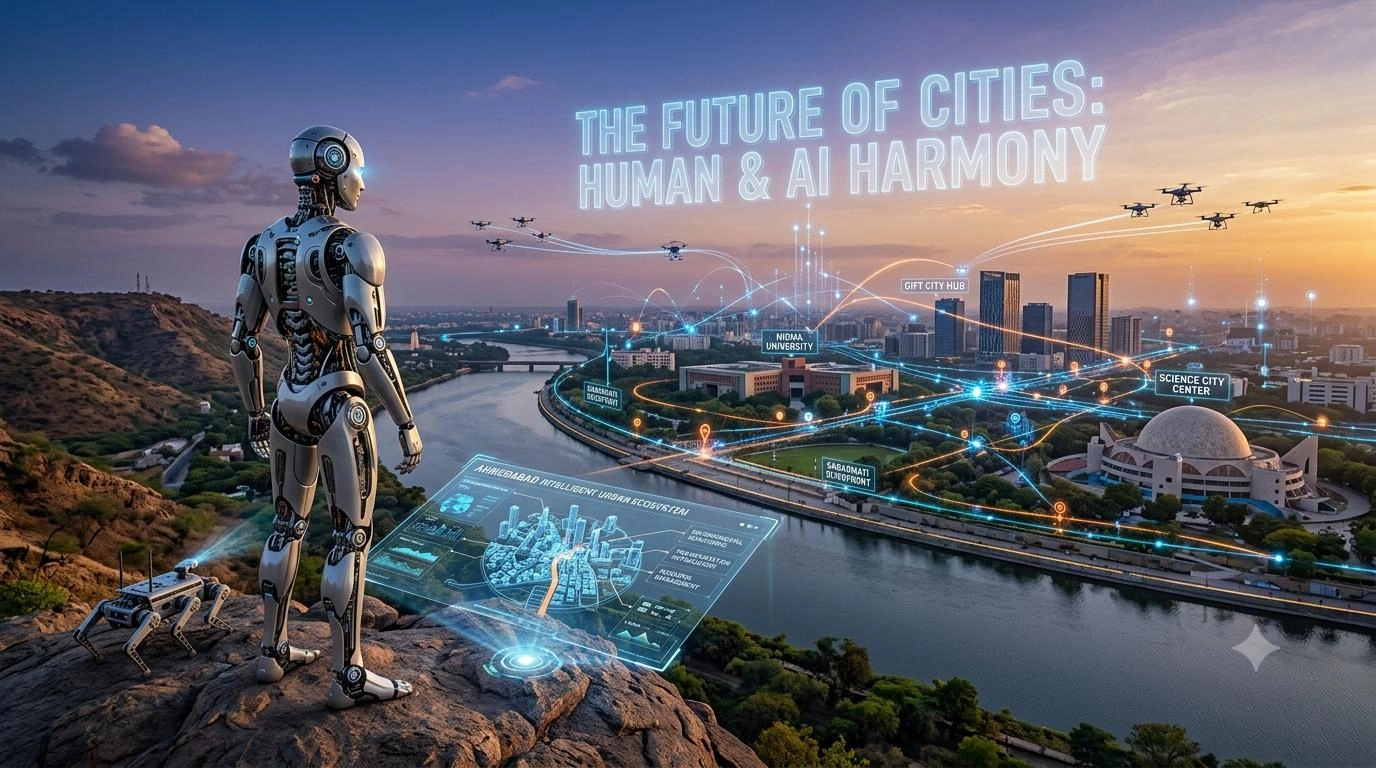
Robots have been part of factories and industrial environments for decades, but a new generation of machines is taking robotics in a completely different direction.
Humanoid robots are being designed with human-like bodies, sensors, artificial intelligence, and increasingly sophisticated movement capabilities.
The goal is not simply to build machines that look like humans. Humanoid robots are being developed to operate in environments designed for people, potentially allowing them to use existing tools, navigate buildings, and perform tasks without requiring completely redesigned infrastructure.
As artificial intelligence, computer vision, robotics, and advanced batteries continue to improve, humanoid robots could eventually become useful assistants in workplaces, warehouses, healthcare facilities, homes, and other environments.
What Are Humanoid Robots?
A humanoid robot is a robot designed with a body structure that resembles the human form, typically including a head, torso, arms, and legs.
This design can provide advantages when operating in spaces created for humans.
Common Technologies Used in Humanoid Robots
Humanoid robots can combine several advanced technologies, including:
- Artificial intelligence
- Computer vision
- Motion sensors
- Robotic actuators
- Machine learning
- Speech recognition
- Advanced battery systems
Together, these technologies allow robots to perceive their surroundings, make decisions, and perform physical actions.
The development of humanoid robotics is closely connected with broader advances in artificial intelligence and emerging technology, particularly as AI systems become increasingly capable of understanding complex information.
Artificial Intelligence Is Making Robots Smarter
Traditional robots generally perform predefined tasks.
Modern humanoid robots are increasingly being combined with AI systems that can interpret information and adapt their behavior.
AI can help robots:
- Recognize objects
- Understand spoken instructions
- Navigate environments
- Identify obstacles
- Learn from demonstrations
- Plan sequences of actions
This shift from programmed automation toward more adaptable machines could significantly expand where robots can be used.
Research organizations such as NVIDIA Robotics are developing technologies that combine AI, simulation, perception, and robotics to help machines operate in increasingly complex environments.
Humanoid Robots in Manufacturing
Manufacturing could become one of the earliest major applications for humanoid robots.
Humanoid robots could potentially perform repetitive or physically demanding tasks such as:
- Moving materials
- Handling components
- Inspecting products
- Supporting assembly operations
- Transporting items
Because factories are already highly automated, humanoid robots could work alongside existing robotic systems rather than replacing every machine.
Industrial automation is already transforming manufacturing processes, and humanoid robots could represent another stage in that evolution.
Businesses interested in technology-driven growth can also explore how technology is changing modern business.
Warehouses and Logistics
Modern warehouses require constant movement of products and materials.
Humanoid robots could eventually assist with:
- Picking and moving objects
- Sorting packages
- Loading and unloading
- Inventory-related tasks
- Repetitive physical work
Their human-like structure could allow them to work in environments that already contain shelves, doors, stairs, carts, and other human-oriented infrastructure.
This compatibility could be particularly valuable because companies may not need to completely redesign existing facilities before introducing new robotic systems.
Humanoid Robots in Healthcare
Healthcare is another area where robotics could provide valuable assistance.
Potential applications include:
- Transporting supplies
- Supporting hospital logistics
- Assisting with routine tasks
- Helping elderly people with certain activities
- Providing companionship or interaction in selected settings
However, healthcare applications require extremely high standards for safety, reliability, privacy, and human oversight.
Robots used around patients would need to operate predictably and safely while respecting the sensitive nature of healthcare environments.
Could Humanoid Robots Become Home Assistants?
One of the most fascinating possibilities is the use of humanoid robots at home.
Future systems could potentially help with:
- Carrying objects
- Basic household tasks
- Organizing items
- Assisting people with limited mobility
- Monitoring certain household conditions
For home use to become widespread, robots will need to become significantly more affordable, safe, reliable, quiet, and easy to operate.
The idea of intelligent machines becoming part of everyday life is also connected to the broader development of smart homes and connected technology.
Robots for Dangerous Environments
Humanoid robots could also perform tasks in environments that may be dangerous or difficult for humans.
Examples include:
- Disaster response
- Industrial inspection
- Fire or hazardous-area support
- Infrastructure maintenance
- Search and rescue research
Sending machines into certain dangerous environments could reduce human exposure to risk.
This is one of the most compelling arguments for advanced robotics: machines can potentially perform tasks where exposing people to extreme conditions would be unsafe.
Computer Vision and Sensors
A humanoid robot needs to understand its surroundings.
Cameras and other sensors can help robots identify:
- People
- Objects
- Walls and obstacles
- Changes in terrain
- Movement around them
Combining sensor information with AI allows robots to make decisions based on their surroundings.
Computer vision is particularly important because real-world environments are unpredictable. A robot needs to distinguish between objects, people, obstacles, and changes in its environment before deciding how to move.
Why Human-Like Design Matters
A major advantage of humanoid robotics is compatibility with existing environments.
Homes, offices, factories, and public buildings were largely designed around human movement.
A robot with arms and legs may potentially use:
- Doors
- Stairs
- Shelves
- Hand tools
- Workstations
This could reduce the need to completely redesign existing spaces for automation.
The human form is therefore not only about appearance. It can be a practical design choice for machines expected to operate in environments built around human dimensions and tools.
The Battery Challenge
Advanced robotics requires substantial energy.
A humanoid robot must power motors, processors, sensors, communication systems, and other components while remaining mobile.
Improving the following areas will be essential for practical deployment:
- Battery energy density
- Charging speed
- Motor efficiency
- Power management
Battery technology is therefore likely to remain an important factor in determining how long robots can operate and how useful they can become in real-world environments.
Safety and Cybersecurity
Humanoid robots will interact physically with people, making safety particularly important.
Robots need systems that can recognize humans, avoid collisions, respond safely to unexpected situations, and stop when necessary.
Cybersecurity is equally important.
A connected robot could become a target for unauthorized access, making secure software and communication systems essential.
As robotics becomes more connected, developers will need to consider both physical safety and digital security throughout the design process.
Organizations such as NIST provide cybersecurity frameworks and guidance that can help organizations think about managing cybersecurity risks in connected technology environments.
Challenges of Humanoid Robotics
Despite rapid progress, significant challenges remain.
Major Challenges
- High development costs
- Complex movement control
- Limited battery life
- Safety requirements
- Expensive hardware
- Difficult real-world navigation
- Need for reliable AI
- Public acceptance
Building a robot that can perform one controlled task is very different from creating a machine capable of safely handling unpredictable everyday environments.
The biggest challenge may therefore be making humanoid robots reliable enough for everyday use rather than simply demonstrating that they can perform impressive individual tasks.
Impact on Jobs and Businesses
The growth of humanoid robotics will likely change how people work.
Robots could take over some repetitive, dangerous, or physically demanding activities, while humans may increasingly focus on:
- Creativity
- Problem-solving
- Leadership
- Communication
- Robot supervision
- Specialized decision-making
The impact will vary considerably by industry and occupation.
Workforce training and responsible deployment will therefore be important as businesses introduce increasingly capable robotic systems.
Rather than viewing automation only as a replacement for human workers, businesses may increasingly need to consider how humans and intelligent machines can work together.
Future of Humanoid Robots
Humanoid robotics is moving toward greater autonomy and versatility.
Future Trends May Include
- More capable AI-powered robots
- Better human-robot interaction
- Improved walking and manipulation
- Longer operating time
- Faster learning from demonstrations
- Lower manufacturing costs
- Integration with smart factories
The long-term vision is to create robots that can understand instructions, navigate real-world environments, and safely perform useful tasks with limited human intervention.
As AI and robotics continue to develop, humanoid machines may become part of a broader ecosystem of intelligent technologies transforming industries and everyday life.
Why Humanoid Robots Could Matter in the Future
The importance of humanoid robots goes beyond the machines themselves.
Their development brings together several major technology trends:
- Artificial intelligence
- Robotics
- Computer vision
- Advanced sensors
- Battery technology
- Automation
- Machine learning
- Human-machine interaction
The combination of these technologies could create machines capable of performing increasingly complex physical tasks.
However, progress should be measured not only by what robots can demonstrate in controlled environments but also by whether they can operate safely, reliably, affordably, and responsibly in the real world.
Conclusion
Humanoid robots represent an important intersection of artificial intelligence and physical automation.
Their human-like design could allow them to operate in environments already built for people, potentially opening new opportunities across manufacturing, logistics, healthcare, dangerous work, and eventually households.
However, widespread adoption will depend on major improvements in cost, safety, reliability, energy efficiency, and AI capabilities.
The future of robotics may not be about replacing humans everywhere.
Instead, the biggest opportunity could be creating intelligent machines that handle repetitive, difficult, or dangerous tasks while allowing people to focus on work that requires uniquely human skills.
The future may not be humans versus robots. It may be humans working alongside increasingly capable machines.
Stay Updated With the Latest Articles
Stay updated with the latest news, technology insights, and articles.
Subscribe Now for more articles and updates.
