
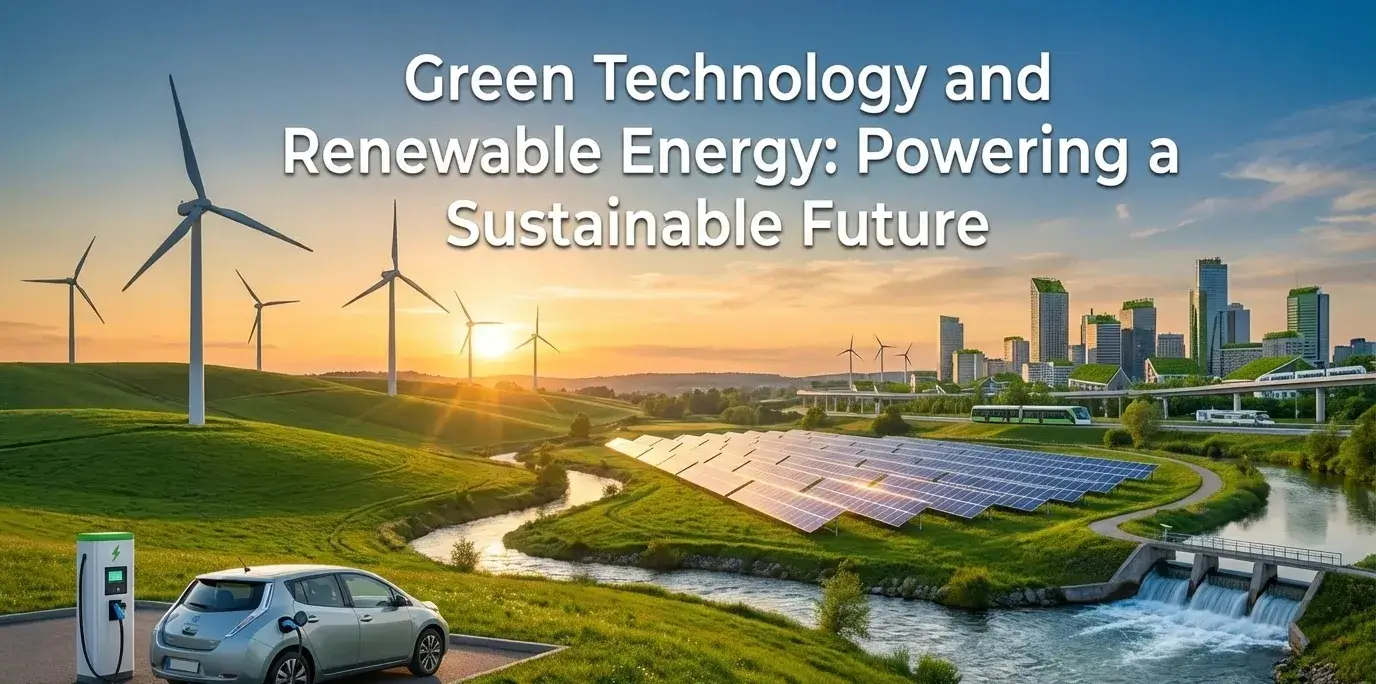
As climate change, pollution, and energy shortages become global concerns, green technology and renewable energy are emerging as powerful solutions for a sustainable future. These innovations aim to reduce environmental damage while meeting the growing energy demands of modern society.
From solar power and wind energy to electric vehicles and smart grids, green technology is transforming how energy is produced and consumed worldwide.
In today’s world, sustainability is no longer a choice—it is a necessity.
What Is Green Technology?
Green technology refers to environmentally friendly innovations designed to reduce pollution, conserve natural resources, and promote sustainable living. These technologies focus on lowering carbon emissions and replacing fossil fuels with renewable alternatives.
Key objectives of green technology include:
- Reducing greenhouse gas emissions
- Saving energy and natural resources
- Promoting clean and renewable power
- Supporting long-term environmental balance
Green technology protects the planet while enabling sustainable economic growth.
What Is Renewable Energy?
Renewable energy comes from natural sources that are constantly replenished and never run out. Unlike coal, oil, or natural gas, renewable energy produces little to no pollution.
Major types of renewable energy include:
- Solar energy
- Wind energy
- Hydropower
- Biomass energy
- Geothermal energy
These energy sources play a vital role in reducing global dependence on fossil fuels.
Solar Energy: The Power of the Sun
Solar energy is one of the fastest-growing renewable energy sources in the world. It converts sunlight into electricity using solar panels.
Benefits of solar energy include:
- Clean and pollution-free power
- Reduced electricity bills
- Low maintenance requirements
- Suitable for homes, industries, and rural areas
With declining panel costs and government incentives, solar energy is becoming accessible to millions.
Wind Energy: Clean Power from Nature
Wind energy uses wind turbines to generate electricity and is widely used in coastal areas, plains, and offshore locations.
Why wind energy matters:
- Produces no carbon emissions
- Cost-effective at large scale
- Supports energy independence
- Creates green jobs
Wind farms now contribute significantly to national and regional power grids.
Hydropower: Energy from Water
Hydropower generates electricity using flowing or falling water and is one of the oldest renewable energy sources.
Advantages of hydropower include:
- Reliable and consistent energy supply
- Supports irrigation and water management
- Long lifespan of infrastructure
- Low operational costs
Modern hydropower projects focus on eco-friendly designs to protect aquatic ecosystems.
Biomass Energy: Waste to Power
Biomass energy uses organic materials such as agricultural waste, wood, and animal waste to generate electricity and fuel.
Key benefits include:
- Converts waste into useful energy
- Reduces landfill waste
- Supports rural economies
- Provides electricity and biofuels
Biomass plays a crucial role in circular economy models.
Geothermal Energy: Heat from the Earth
Geothermal energy uses heat stored beneath the Earth’s surface to generate electricity and provide heating.
Key features of geothermal energy:
- Reliable and constant power supply
- Low land usage
- Minimal environmental impact
- Long-term sustainability
Geothermal power is growing rapidly in regions with volcanic and geothermal activity.
Green Technology in Transportation
Transportation is one of the largest sources of pollution. Green technology is transforming mobility with cleaner alternatives.
Key innovations include:
- Electric vehicles (EVs)
- Hybrid vehicles
- Hydrogen fuel technology
- Smart public transport systems
Electric vehicles reduce air pollution, lower fuel costs, and support cleaner cities.
Green Technology in Industries
Industries are increasingly adopting green solutions to reduce environmental impact and improve efficiency.
Industrial green practices include:
- Energy-efficient machinery
- Waste recycling systems
- Sustainable manufacturing processes
- Smart energy management systems
These practices protect the environment while improving productivity.
Green Technology in Daily Life
Green technology is not limited to large-scale projects—it is part of everyday living.
Common examples include:
- Energy-efficient appliances
- LED lighting
- Smart thermostats
- Rainwater harvesting systems
- Solar water heaters
Small lifestyle changes can lead to significant energy conservation.
Role of Green Technology in Climate Change
Green technology is one of the most powerful tools for fighting climate change.
Environmental benefits include:
- Reduced carbon footprint
- Improved air and water quality
- Protection of ecosystems
- Support for sustainable development
Countries investing in renewable energy are moving closer to their climate goals.
Economic Benefits of Renewable Energy
Renewable energy is not only environmentally beneficial—it also strengthens economies.
Economic advantages include:
- Job creation
- Energy security
- Reduced fuel imports
- Long-term cost savings
Green energy industries are becoming major contributors to global employment.
Future of Green Technology and Renewable Energy
The future of energy is clean, smart, and sustainable.
Upcoming trends include:
- Smart grids and advanced energy storage
- Solar-powered smart cities
- Hydrogen-based energy solutions
- AI-driven energy management
- Carbon-neutral infrastructure
As technology advances, renewable energy will become more efficient and affordable.
Conclusion
Green technology and renewable energy are shaping a cleaner, healthier, and more sustainable future for humanity. By shifting from fossil fuels to renewable sources, the world can reduce pollution, fight climate change, and ensure long-term energy security.
Every solar panel installed, every electric vehicle driven, and every energy-efficient choice made contributes to a greener planet. The transition to green technology is not just a trend—it is the foundation of a sustainable world.
Subscribe Now For More articles.
