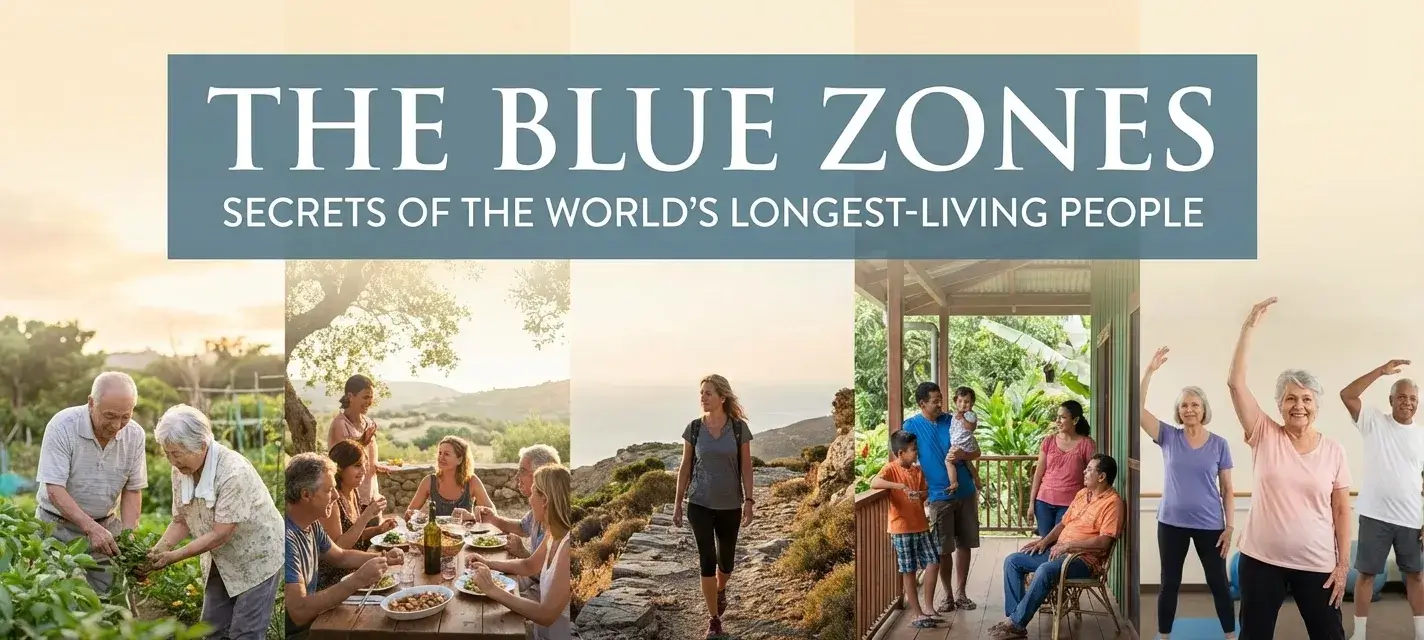
In a world obsessed with anti-aging creams, supplements, and quick fitness transformations, the real secret to long life may already be discovered—hidden in specific regions around the globe known as the Blue Zones. These are places where people not only live longer but also live better. They remain active, joyful, and mentally sharp even into their 90s and 100s.
The concept of Blue Zones was popularized by researcher and author Dan Buettner after extensive studies supported by the National Geographic Society. His research identified communities with exceptionally high life expectancy and lower rates of chronic disease.
Let’s explore the wisdom of these remarkable places—and what you can apply to your own life.
What Are the Blue Zones?
Blue Zones are five regions of the world where people live significantly longer than the global average:
- Okinawa
- Sardinia
- Nicoya Peninsula
- Ikaria
- Loma Linda
These regions share one powerful trait: people here regularly live past 90—and many cross 100—with vitality.
But what makes them different?
1. Purpose: A Reason to Wake Up Every Morning
One of the strongest longevity predictors in Blue Zones is having a sense of purpose.
In Okinawa, people call it Ikigai—a reason for being. In Nicoya, it’s known as Plan de Vida—life plan. Research shows that having a clear purpose can add up to seven years to your life.
Purpose reduces stress, strengthens mental health, and keeps people active even in old age. Instead of retiring from life, they stay engaged in family, hobbies, and community work.
2. A Mostly Plant-Based Diet
The Blue Zones diet is simple and natural. People eat:
- Beans and lentils
- Seasonal vegetables
- Whole grains
- Nuts and seeds
- Fruits
- Limited meat (mostly as a side dish)
Meat is consumed occasionally—about five times per month in small portions. Processed food, sugary snacks, and artificial ingredients are rare.
The rule followed in Okinawa is “Hara Hachi Bu” — eat until you are 80% full. This mindful eating habit prevents overeating and supports digestion.
3. Natural Daily Movement
Forget intense gym sessions. People in Blue Zones move naturally throughout the day:
- Walking to neighbors
- Gardening
- Cooking from scratch
- Climbing hills
- Manual household work
Movement is integrated into daily life—not scheduled as a separate task. This keeps joints flexible, muscles active, and metabolism healthy.
4. Stress Reduction Rituals
Chronic stress shortens life. But Blue Zone communities have built-in stress-relief practices:
- Afternoon naps in Ikaria
- Prayer in Loma Linda
- Tea ceremonies in Okinawa
- Social gatherings in Sardinia
Daily pauses reduce cortisol levels and improve heart health.
5. Strong Social Connections
Longevity is deeply linked to relationships.
People in these regions:
- Live close to family
- Prioritize marriage and friendships
- Participate in community events
- Support each other during difficult times
In Sardinia, elderly men gather daily to laugh and socialize. In Okinawa, lifelong friend groups called “Moais” support each other emotionally and financially.
Isolation is rare—and connection is constant.
6. Faith and Belonging
Most Blue Zone communities are rooted in spiritual or religious traditions. Regular participation in faith-based activities provides:
- Community belonging
- Emotional resilience
- Lower depression rates
- Healthier lifestyles
Research suggests attending faith services four times a month can increase lifespan by several years.
7. Positive Outlook Toward Aging
In many parts of the world, aging is feared. In Blue Zones, aging is respected.
Elders are seen as wise and valuable. They remain decision-makers in families and communities. This respect improves self-worth and mental health.
Instead of saying “I am old,” they say “I am experienced.”
8. Moderate Alcohol (Optional)
In Sardinia and Ikaria, moderate wine consumption—especially red wine—is common during social meals. It’s never about excess, but about connection and relaxation.
However, longevity is not dependent on alcohol. In Loma Linda, many residents avoid alcohol entirely and still live long lives.
The 9 Blue Zones Power Principles
Researchers summarized their findings into nine shared habits called the “Power 9”:
- Move naturally
- Have a purpose
- Downshift stress
- Follow the 80% eating rule
- Eat more plants
- Moderate wine (if culturally relevant)
- Belong to a community
- Put family first
- Build strong social circles
These are not expensive habits. They are lifestyle choices accessible to almost anyone.
What Can India Learn?
For readers in India—especially in cities like Surat where life is becoming fast-paced—the Blue Zones offer powerful reminders:
- Walk more instead of short bike rides
- Eat traditional home-cooked meals
- Maintain joint family bonds
- Practice meditation or prayer daily
- Avoid excessive processed food
Many Indian traditions already align with Blue Zone habits. We simply need to return to balance.
Final Thought: Longevity Is a Lifestyle, Not a Luck
Living to 100 is not about genetics alone. Studies show only about 20% of longevity is genetic. The rest depends on daily habits, environment, and mindset.
The Blue Zones prove that small, consistent actions create extraordinary results over decades.
You don’t need to move to Okinawa or Sardinia. You just need to adopt their wisdom.
Because long life is not about adding years to your life—it’s about adding life to your years.
Subscribe Now For More articles.
