From the first Gujarati talkie in 1932 to the OTT-powered releases of 2026, women have been the emotional, cultural, and creative backbone of Gujarati cinema. They have led devotional dramas, ruled folk epics, sustained the industry during difficult phases, and powered the modern revival with bold performances and smart production choices.
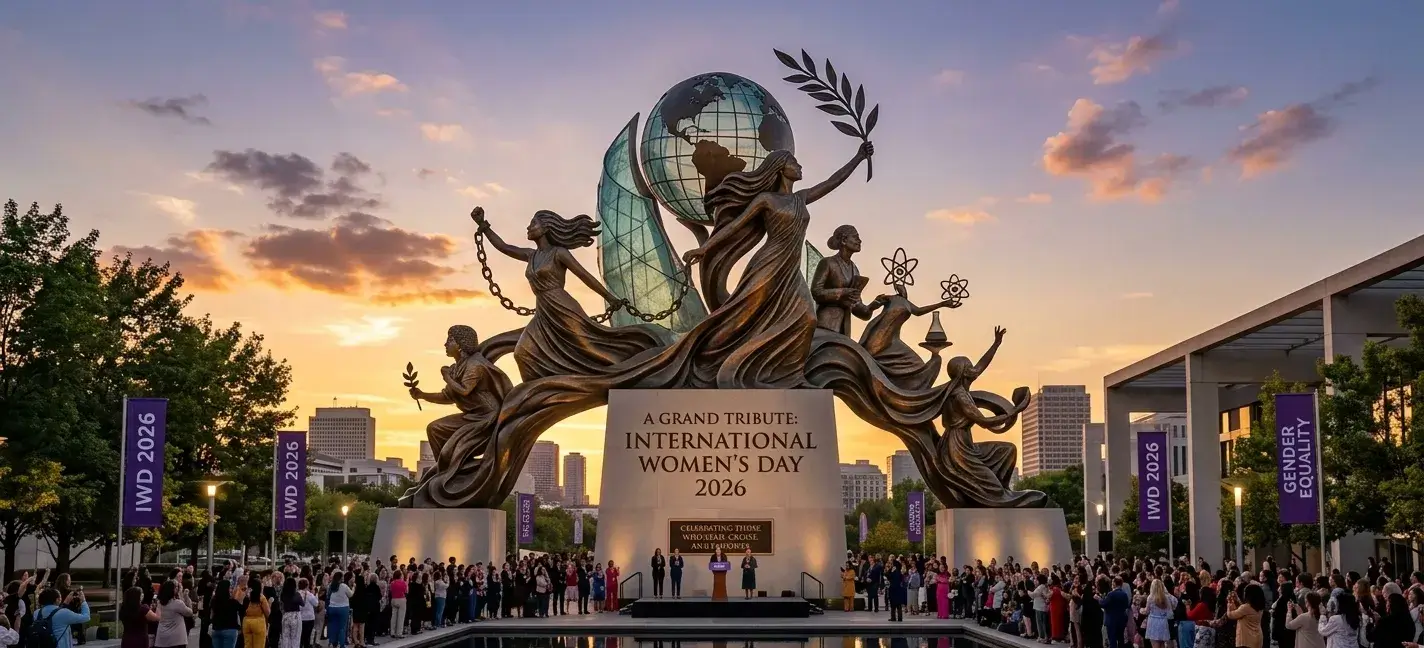
On International Women’s Day 2026, this is a detailed tribute to the actresses, singers, filmmakers, writers, and producers who shaped Dhollywood’s journey.
1. The Pioneer Era (1930s–1960s) – Laying the Foundation
Dina Pathak
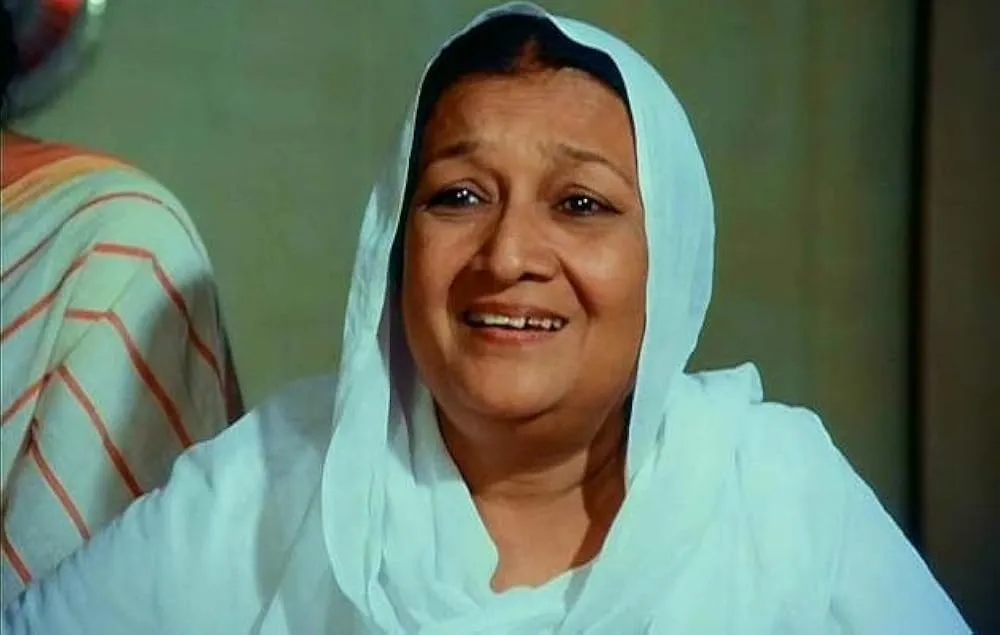
A powerful performer rooted in Gujarati theatre, she symbolized intellectual and socially aware women characters.
Legacy:
- Strong female character roles
- Bridge between theatre and cinema
- Inspiration for realistic acting in regional films
Snehlata
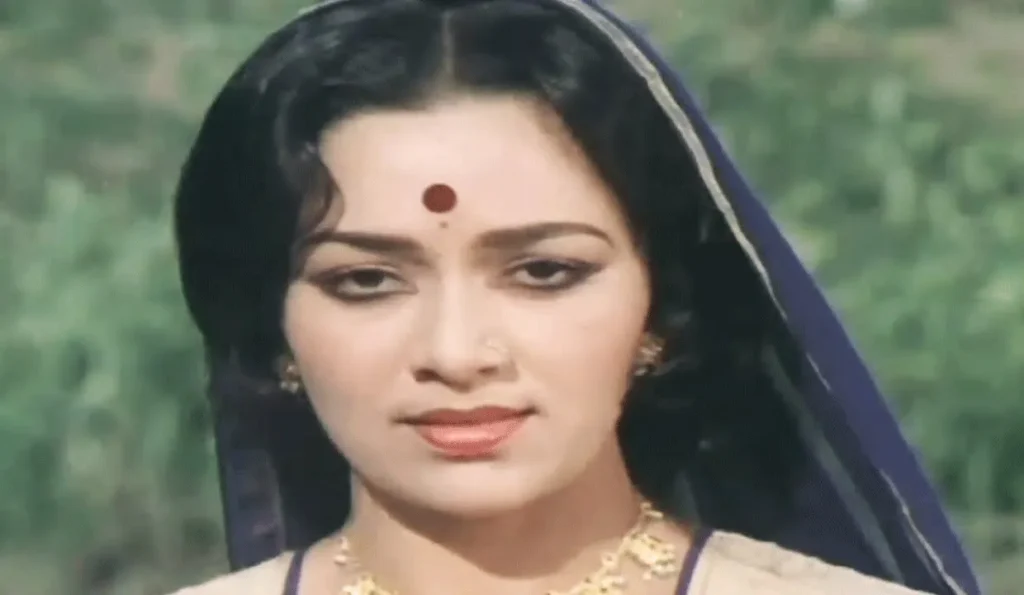
One of the early popular heroines of Gujarati cinema who carried family dramas and folklore stories on her shoulders.
Impact:
- Mass popularity in rural Gujarat
- Helped establish heroine-driven box office success
- Became a household name in the 60s–70s
2. Cultural and Folk Era (1970s–1990s)
During this time, Gujarati cinema revolved around tradition, music, and strong moral storytelling.
Usha Mangeshkar
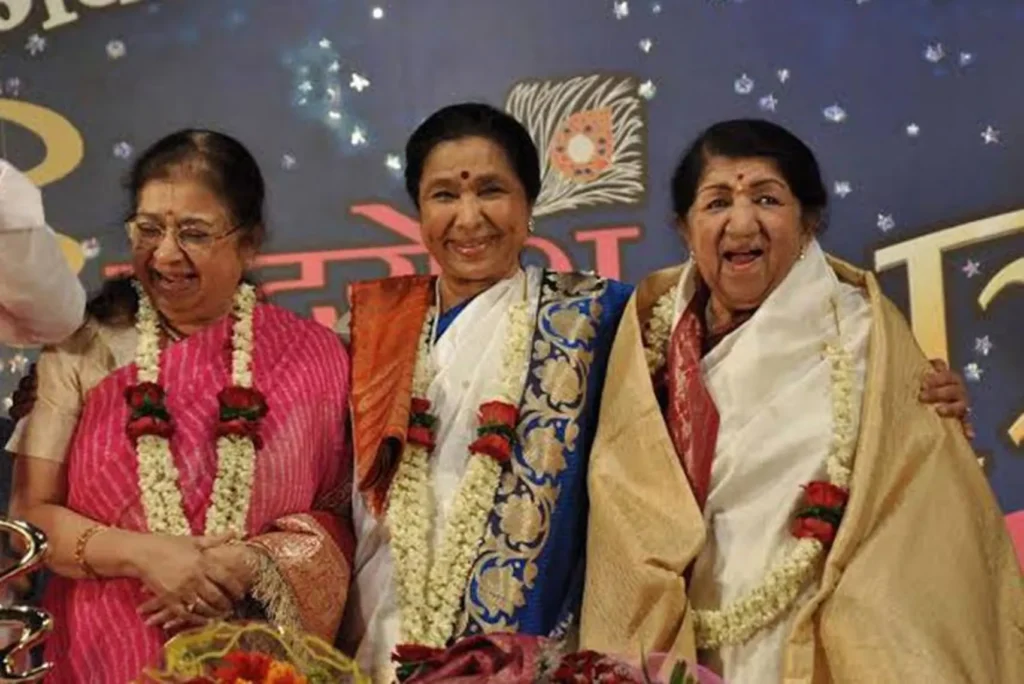
Her devotional and folk contributions amplified Gujarati film music across India.
Contribution:
- Elevated regional music standards
- Strengthened cultural identity through songs
Aruna Irani
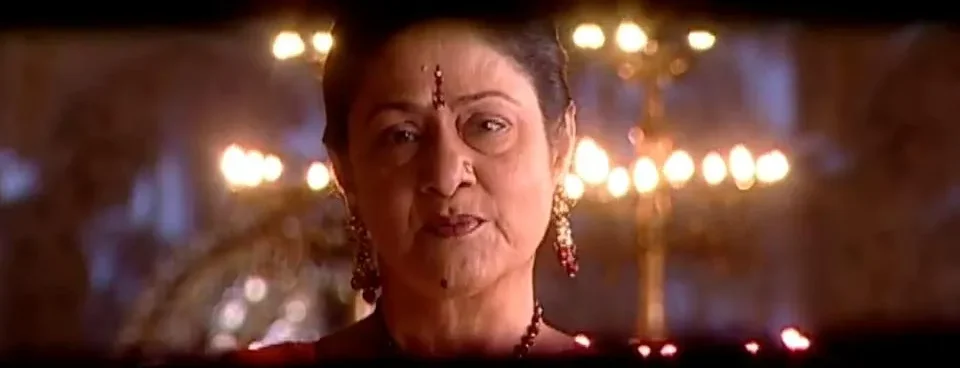
With Gujarati roots, she became a national icon and inspired many regional actresses.
Additional Credit – Theatre Queens
Gujarati theatre has always been closely connected to cinema. Many strong female performers transitioned from stage to screen, strengthening acting quality and discipline in films.
3. Survival and Transition Phase (1995–2014)
When Gujarati cinema faced a slowdown, women artists kept it alive.
Aarti Patel
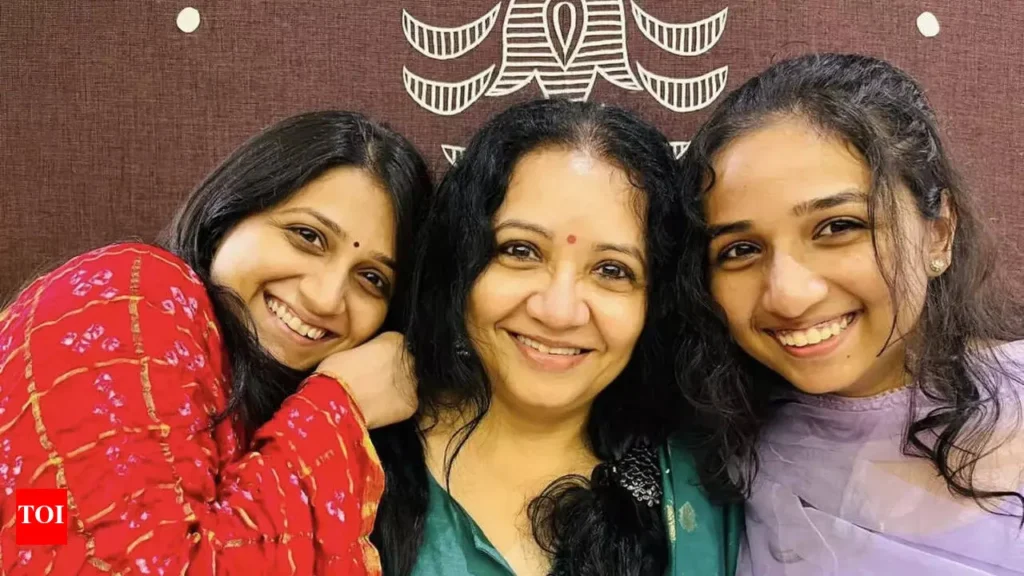
One of the consistent faces during the early 2000s.
Impact:
- Maintained audience connection
- Balanced rural and urban roles
- Helped sustain box office presence
Female Producers of the Era
Women started entering production roles, focusing on family entertainers and culturally rooted stories.
Their involvement marked the beginning of decision-making power shifting behind the camera.
4. The Modern Golden Era (2015–2026)
The post-2015 revival changed everything. Multiplex audiences returned. Content improved. OTT expanded reach. Women emerged stronger than ever.
Janki Bodiwala
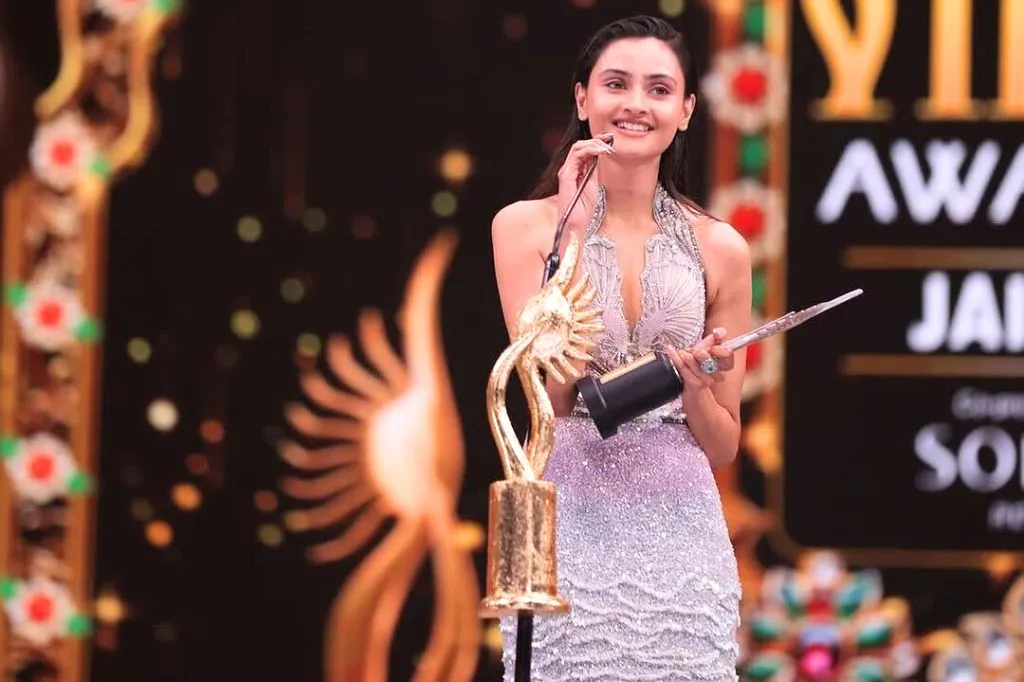
A leading modern face of Gujarati cinema.
Major Work: Vash
The film’s success led to its Hindi remake Shaitaan — a milestone moment proving Gujarati stories can travel nationwide.
Impact:
- Strong psychological roles
- National recognition
- Modern female lead with depth
Aarohi Patel
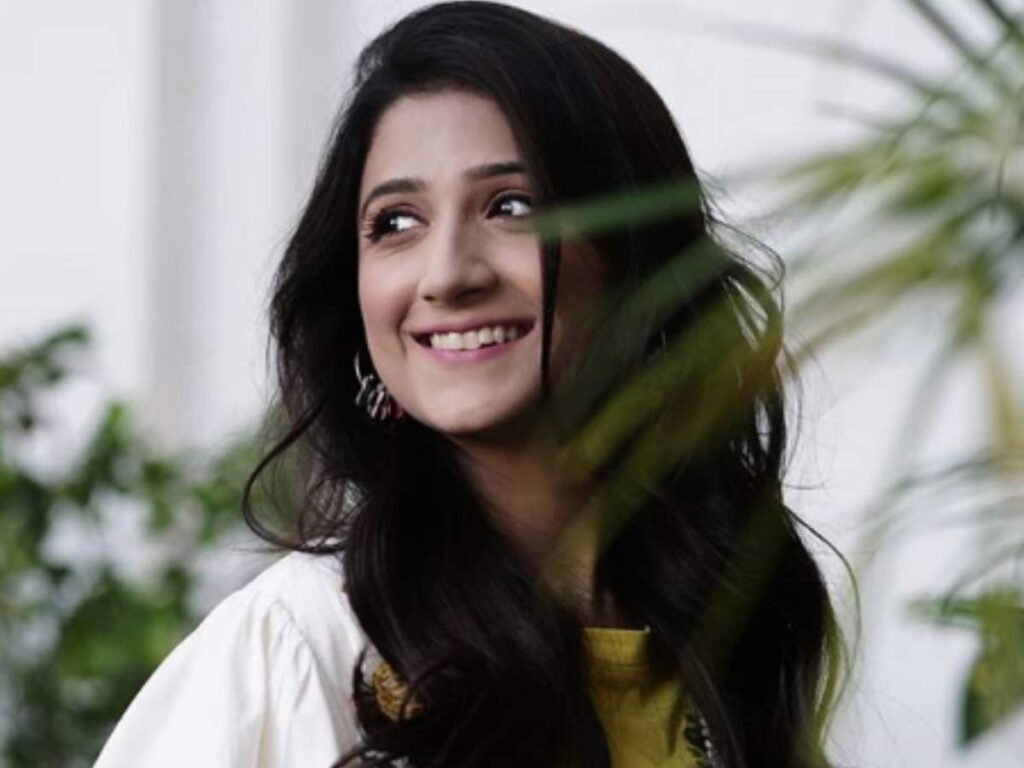
Known for urban romance and youth-centric cinema.
Impact:
- Represented confident modern Gujarati women
- Strong social media engagement
Shraddha Dangar
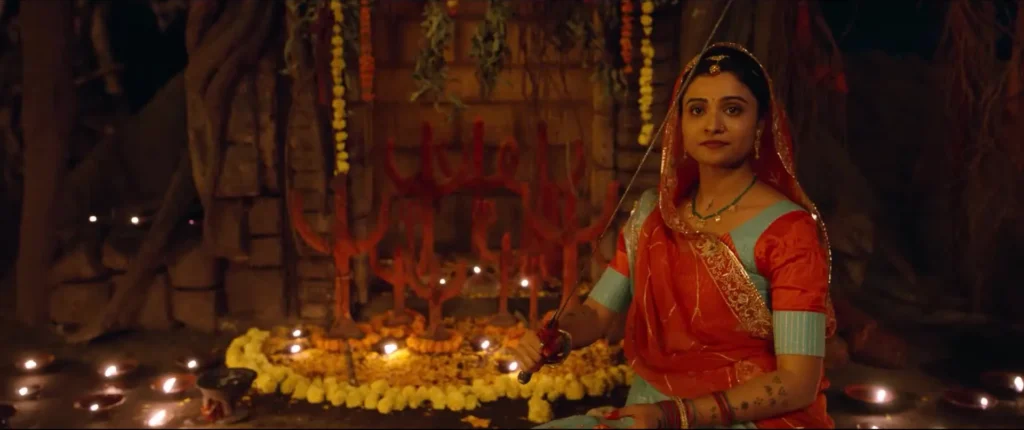
Recognized for emotionally powerful performances.
Mona Thiba
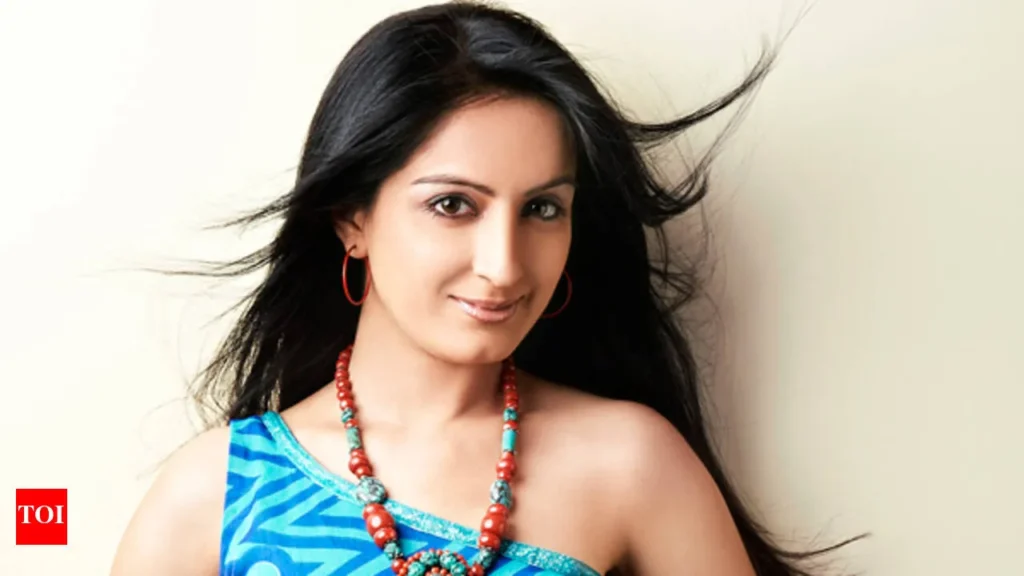
A respected and experienced actress known for her strong screen presence and versatile roles across Gujarati films and television.
Impact:
- Consistent performances across decades
- Strong character portrayals
- Recognizable and trusted face among Gujarati audiences
Women in Music and Cultural Influence
Kinjal Dave
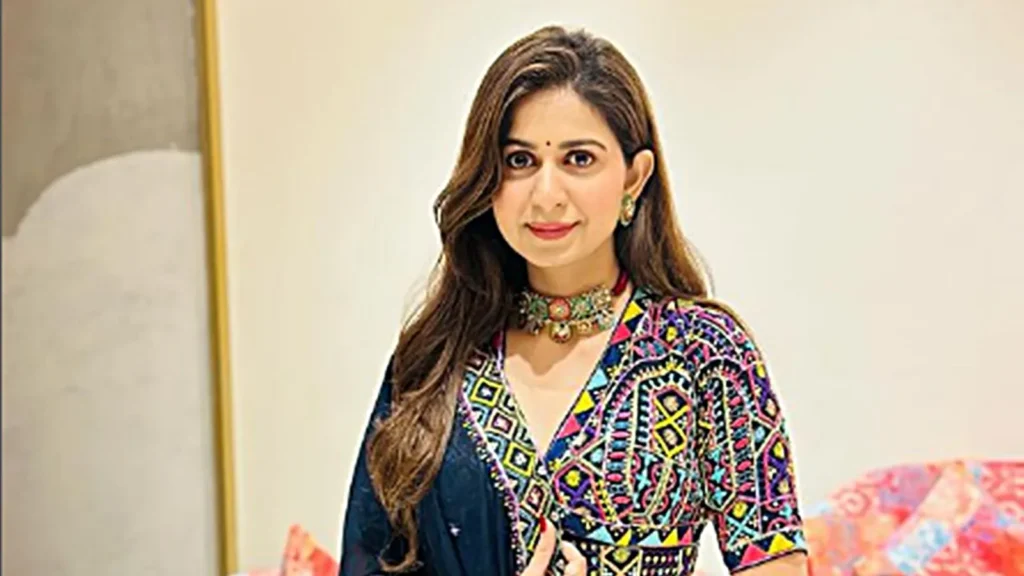
Though primarily known for folk and Garba songs, her influence strongly impacts Gujarati film promotions and youth culture.
Impact:
- Strengthened regional musical pride
- Elevated festive film marketing
Geeta Rabari
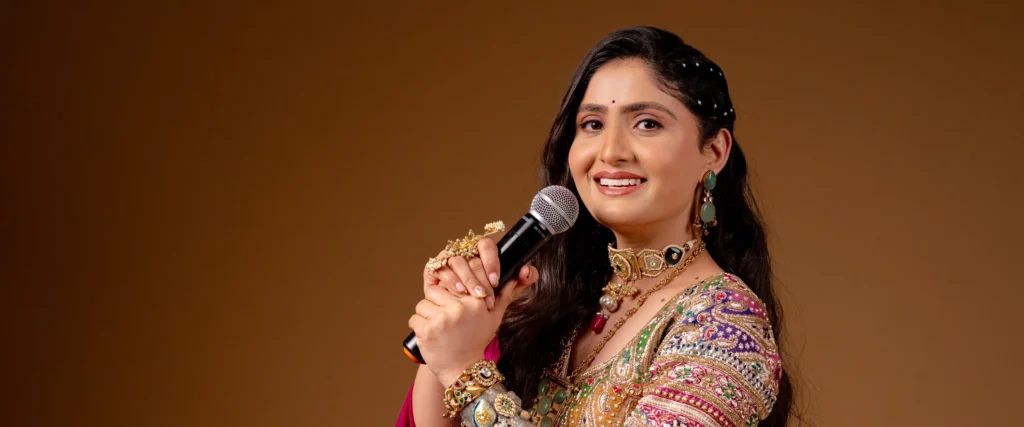
Folk sensation influencing Gujarati film music culture.
Impact:
- Strengthened regional pride
- Massive digital reach
Women Behind the Camera (Extra Credit)
Over the last decade, more women have entered:
- Direction
- Scriptwriting
- Costume design
- Editing
- Production management
- Digital marketing
This behind-the-scenes leadership ensures that women are not just faces of cinema but decision-makers shaping narratives.
OTT Era Recognition (2020–2026)
The digital revolution empowered women-centric storytelling:
- Female-led scripts
- Social issue films
- Mental health narratives
- Relationship-driven cinema
- Thriller genres with strong heroines
Women are now no longer limited to traditional roles; they are entrepreneurs, independent thinkers, and layered characters.
Recognition and Awards
Gujarati actresses and filmmakers have received:
- National Film Awards (regional category)
- International festival screenings
- Bollywood remake recognition
- OTT platform appreciation
The remake of Vash into Shaitaan stands as one of the biggest recognition milestones for Gujarati cinema.
Industry Growth Because of Women
Women contributed to:
- Strong box office collections
- Multiplex revival
- Overseas NRI audience growth
- Brand endorsements
- Digital popularity
Today’s Gujarati cinema markets itself confidently — and women are central to its branding.
Message for International Women’s Day 2026
From devotional pioneers to psychological thriller heroines, from playback singers to producers — Gujarati cinema’s growth story is incomplete without its women.
They preserved language.
They shaped culture.
They carried emotions.
They built credibility.
They brought national attention.
Gujarati cinema’s future is brighter because women are not just part of the story — they are leading it.
Subscribe Now For More articles.
Image Credits
Ahmedabad Gujarati singer Kinjal Dave fined Rs 1 lakh for singing Garba song ‘Char Char Bangdi Vadi Gadi’ | Ahmedabad News – The Indian Express, I’m comfortable doing TV: Mona – Times of India, IIFAમાં આ વર્ષે બે ગુજરાતીઓએ રંગ રાખ્યો, જાનકી બોડીવાલાને પણ એવોર્ડ | News Capital, My mom and I are a dream team for a director: Aarohi Patel | Gujarati Movie News – Times of India, imdb.com
